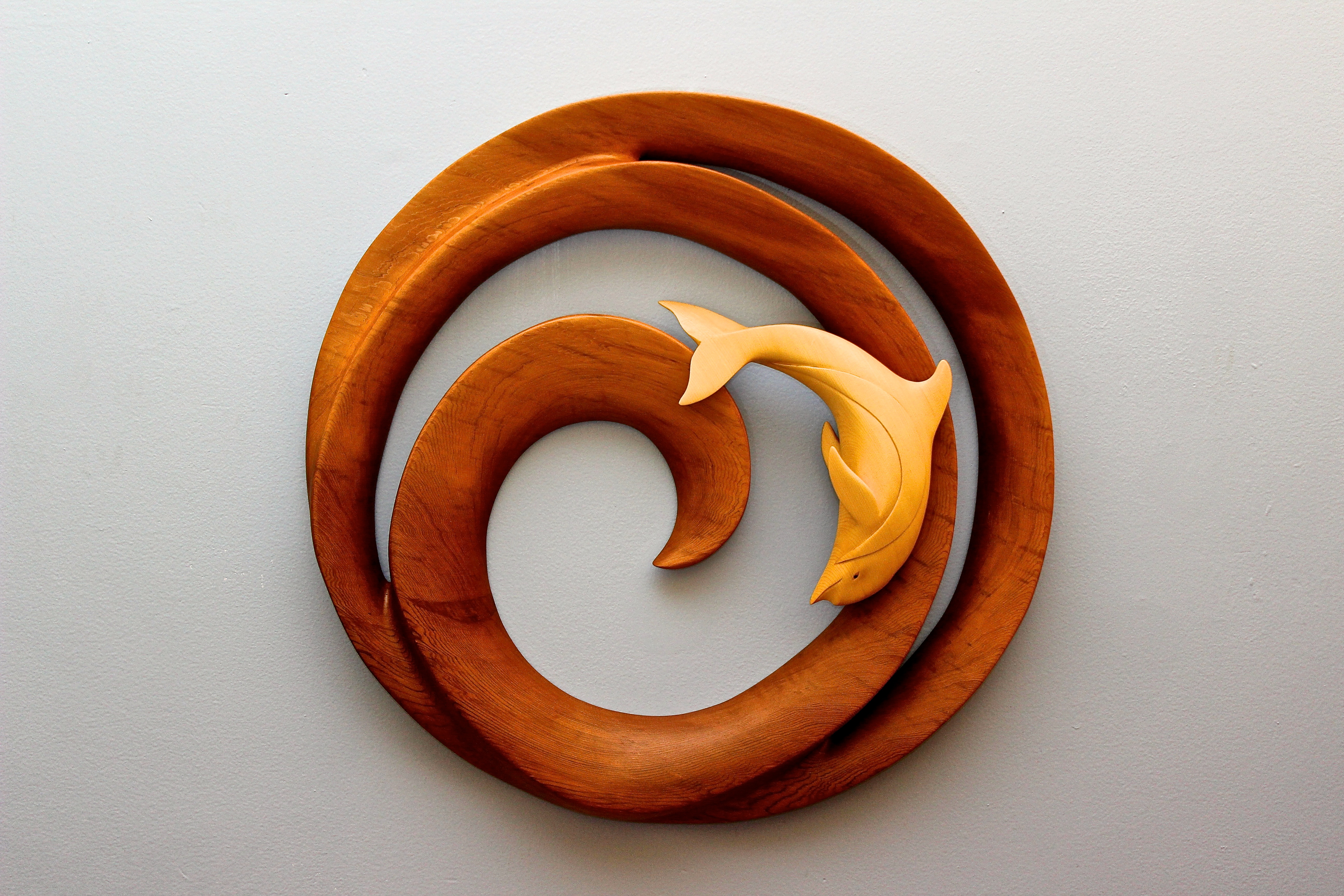
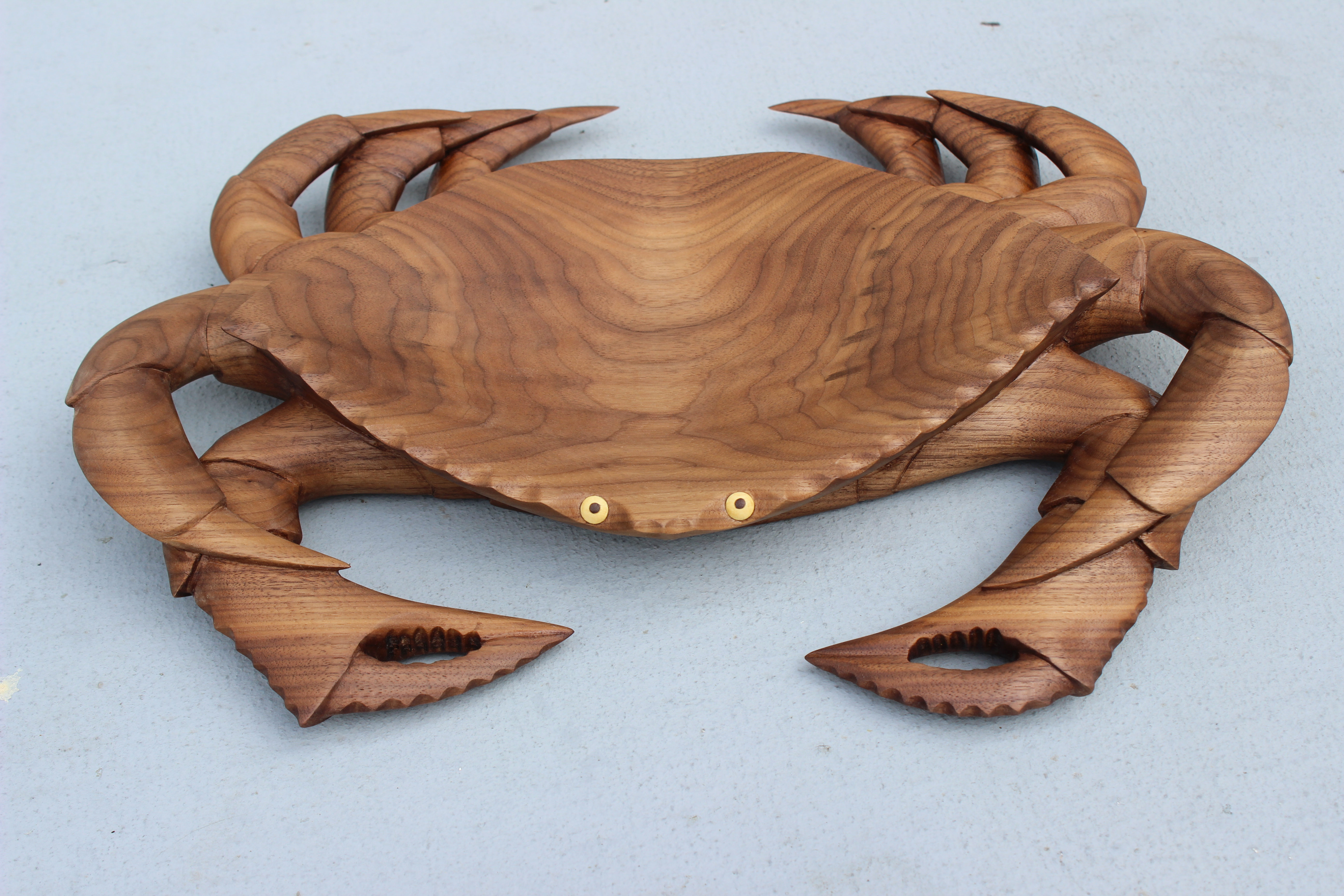
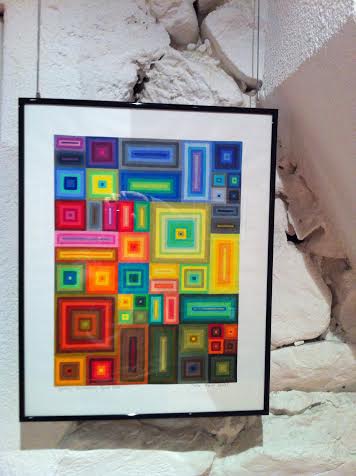
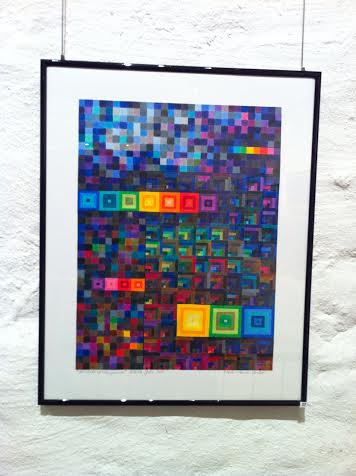
Uncategorized

Ryan Broderick Creates Waves as The Youngest Exhibitor at AWE 2014

Interview With…

Ryan Broderick

by Alyssa Laube

About: As one of the youngest exhibitors at this year’s expo, Ryan Broderick has an impressive portfolio! His focus is mainly on painting, although he has also completed sculptures. You can view his completed works at: 

ryanbroderickpaintings.com

ryanbroderick1 ryanbroderick2 ryanbroderick3

As the youngest exhibitor at the Art Expo, what are you looking forward to this year?

I am looking forward to this opportunity to promote myself and give my artwork further exposure. I exhibited three paintings in a prior event which was the maximum allowed, so this being on a grander scale is very exciting. This is new for me, so getting to experience such an opportunity in a high class event is accelerating. Being the youngest exhibitor at the Art Expo just makes me think about how much I can learn, grow as an artist and an exhibitor. I am looking forward to new ideas I can take away with me that will help fuel my creativity.

How has being raised in British Columbia influenced you as an artist?

Being raised in British Columbia has influenced me as an artist by all the beauty this province has to offer. From our mountains to our wetlands and everything in between, there is always a moment for a picture and an experience.

What is it about nature that inspires you?

Being alone with nature lets you feel free and makes you want to capture all the beauty it brings. We are so lucky to be able to experience the distinctions between the seasons.

Do you focus on local wildlife and scenery?

Most of my work is local sceneries that I have photographed. Some are as is and some have been altered or added to.

How did you receive your training as an artist?

My creativity started as a small child. “Art Attack” was a favourite growing up, and when I wasn’t watching art being created, I was doing the creating.  I took art classes throughout high school, but it wasn’t until grade 12 that I started to take it seriously. I took at Art A.P. course to develop a portfolio, which is where I realized my capabilities and developed my skills. I went to university for two semesters taking different kinds of art courses, but the lack of feedback and constructive criticism made me feel the need to take some time away and explore my other options.

How have you seen yourself improve since you began painting and how do you hope to improve in the future?

I see many of my paintings coming to life more and more. I have expanded on tones and colour and am really enjoying creating my own work. Being young, I have so much I can still learn as an artist.

When did you begin to work with sculptures?

I dabbled with sculpturing throughout the first years of high school, but took classes specifically for it in my tenth and eleventh year. At university I took a course in sculpturing and found that that I enjoyed creating wire sculptures the most.

How would you describe yourself as an artist?

I don’t set any limits on myself and want to try everything that I can. I am passionate and dedicated to my work, and believe criticism can only improve one’s ability.

You have completed many pieces that feature a male figure being constricted by what appear to be vines. How is this symbolic to you, or would you like it to remain interpretive?

It’s funny – my parents actually thought it was worrisome and asked me if I needed to talk to someone! As I worked on the twelve-painting series, it became a self-portrait of my struggles with expression throughout my childhood. I’ve always been quiet and reserved. Because of that, and my good nature, I was often unheard.

Also, many of your landscapes include two small characters. Is there meaning behind this?

I’m a bit of a romantic!

What is it about painting vehicles that fascinates you?

Each vehicle is very different. Although I’ve painted several CN trucks, each one has it’s own character. I’ve always loved trains and, as my Dad has worked for CN for many years, I feel that connection.


Describe how it is to be a youth in the art industry.

I’m finding it tough not knowing the in’s and out’s of the business. I’ve only just started, so I still need to get creative with getting my name out there. I am passionate about painting, which I hope is something that translates through my work.

What are some of the advantages or challenges? How have you overcame these challenges?

Getting my work out there for people to see has been tough. Once I created my website, I really enjoyed the feedback. I’ve had people send me pictures asking if I can paint them and have sold several paintings that way. I created my own sunshades for my vehicle and advertised them on the website too. Plus, I never miss the opportunity to hand out my business card!

Similarly, how do you challenge yourself?

I enjoy taking on something out of my comfort zone. That’s my challenge. I need to know that I am doing my best work. It needs to speak to me and I have to feel like I’ve accomplished what I’ve set out to do.


What does creating art do for you?

It’s very rewarding. It is my passion and it makes me feel complete.

Are you planning on attending a post-secondary institute, for art or otherwise?

I did complete one year, but am seeking something more suited to me. I wasn’t getting feedback and I didn’t feel I was growing the way I thought I should be. I’m sure that when I find the right program, I will jump in eagerly.

Do you wish to continue art as a career in the future?

Absolutely! It is my passion. My dream is to quit my day job and paint full time.

Emerging Painter Margaret Kitchen Joins The Show!

IMG_0509IMG_1249

About: Margaret Kitchen, new to Vancouver and the art scene, creates beautiful paintings of landscapes and other scenes. She works in a school teaching special needs children, and practices as an artist in her spare time.

 IMG_2067

This is your first time at the Art World Expo. Is there anything particular you’re looking forward to?

I’m very nervous and excited just to experience it and be there to see other artists.

How were you introduced to art?

Growing up, my Mom was always creative. Not in painting, but in things like beautiful knitting and needlepoint. We would come home from dances and she would have entire outfits she’d made ready for us! Also, about 5 years ago I was looking at paintings a lot and thinking, “I want to do that.” I wanted to explore something different. Reading Drawing from the Right Side of Your Brain explained that everybody can draw and not to be afraid to make mistakes and to fail. It just sort of said, “Where are the rules? Anyone can do it.” Art is an outlet. It doesn’t have to be perfect.

How were you influenced as an artist by your heritage or home town?

Okanagan landscape is so inspiring. You go hiking or to lakes and just think, “I wish I could paint this.” It’s just so beautiful. There were great local artists and galleries, so it was really just a part of the community.

Who was your main inspiration growing up and how has it changed from then?

My Mother, because it was always important for her to be creative with her hands and to completely immerse herself.

How would you describe your style?

I love using oil paint. I love art to look like art. I really like artists like Robert Bateman. Lots of paint, thick, color, so I guess I would call my style impressionistic.

What do you consider your “big break”?

I am really glad that I met Monika. I started her art class and she and I really hit it off. Pretty much, she said “who cares! Do it and have fun,” and here I am.

How have you developed as an artist, both professionally and personally?

Personally, it’s opened up a whole new world of creativity to me. The whole journey of it has been fantastic; meeting all of these great people and producing artwork that I like. I love that now I can paint a picture and give it to someone.

What was an artwork that had a lasting effect on you? How so?

I’m so amazed all the time at the level of creativity and artistry just here in North Vancouver, just the local art that I see around. I also went to the Vancouver Art Gallery and saw Metis which blew my mind, and last winter I saw some Emily Carr which I love.

What is your favorite art gallery or event in Vancouver?

I love the art crawls. They have one in North Vancouver and one in East Vancouver.

What type of environment do you prefer to work in (i.e.: a studio, home, etc.)?

I like to be by myself sometimes but I also like to be in a studio where there are people I can bounce things off of and ask, “What do you think? What do you see?” I like to get advice, too.

Where do you get inspiration for your art?

My daughter, the landscape, other art.

What was the first piece of art you sold?

Well, I don’t sell my art! My mother in-law asked me to paint a picture of the Capilano River. It was the first painting that I thought “I like this,” and I kept it, but painted her a couple more and gave them to her. I think that if I didn’t get so attached to my paintings, I could sell them. They’re like my babies!

Is there a main theme or message to your art? If so, what is it?

It is more of pure expressionism for me.

What is your favorite (and least favorite) thing about being an artist?

My favorite thing is that it’s a way of being creative and expressing yourself – that feeling of the great escape. It’s like meditation. I haven’t found anything negative about it yet!

Did you always want to be an artist? If not, what did you want to be and  when/why did you change your mind?

I never saw myself as an artist. I wish that I had tapped into this side of myself when I was younger would have loved to be a dancer, but during the time that I was growing up, it was never something I could imagine doing. Over the last 25 or 30 years I’d squelched that side of myself. Before my work as a Teacher, I was a Dental Assistant and would wear a different sweater every day. I’ve always liked to be creative and express myself but never thought it was something I could do. I think that if I had grown up in a different time or family I would have explored it a lot earlier.

Do you currently have a favorite artist?

Yes! He has a studio in West Vancouver. Yates. He does all sorts of West Coast landscapes with nice palette and color.

Describe the Vancouver art scene in three words

I don’t really know it that well, but I would say there are a lot of different kinds of art so versatile, exciting, and welcoming. All of the people that I’ve met have been very positive.

Art World Expo Welcomes Fiona Forbes!

In Vancouver, everyone knows of a woman by the name of Fiona Forbes. She has graced us with her fun loving personality on The Rush for years and has supported many local charities and causes out and about town. This year, Art World Expo is pleased to present Fiona as the 2014 host for our world class body painting competition! Competing for the 2014 Art World Expo Body Painting Champion are professional body painters from Canada and the USA.

fionaf3

fionaf4

Fiona Forbes is a Canadian television personality who currently hosts the award-winning entertainment talk show The Rush in Vancouver, British Columbia. After being told by Regis Philbin that “You’ve got something kid!” she has gone on to receive accolades such as “Favourite Television Personality” and numerous other Reader’s Choice and Industry awards. She has done over fifteen thousand interviews with top names from the worlds of film, television, music, literature, sports and pop culture. Along the way Fiona has been schooled in politics from Arnold Schwarzenegger…music and hockey from Michael Buble…booty-pops from the Pussycat Dolls and learned to play the drums with GLEE’S Cory Montieth.

Forbes received a degree in History from the University of British Columbia and had planned to go to Law School. Instead, on a whim she enrolled in the Journalism Program at The British Columbia Institute of Technology. Before graduating from the program, Fiona got her first job as a TV Host by accident when she auditioned as a dare and landed her first on camera gig. She is both a proud fashionista and a geek…perhaps best described by Hollywood guru Larry Moss who called her a woman with “chutzpah who reminds me of Lucille Ball”.

Although she is best known for her work on the long-running URBAN RUSH, (now THE RUSH on Shaw TV), she has also hosted numerous other shows including DAYTIME on the Rogers Network, AUTOMOTIVE MORNING on Life Network and BREAKFAST TELEVISION on City-TV. Fiona also does extensive work as a Master of Ceremonies for corporate events and is passionate about lending her talents to support many wonderful charities including the CKNW Orphan’s Fund, Pink Shirt Day,Variety Club, Timmy’s Telethon and Easter Seals.

To read more about Fiona, visit her website: http://fionaforbes.com/


Firefighting Master Painter Michael Griffin will Sizzle at Art World Expo 2014

Interview With…
Michael Griffin 
by Alyssa Laube 
About: Raised in Nashville, Tennessee, Michael Griffin is a painter, sculptor, and firefighter specializing mainly in scenic pieces. More can be learned about Michael at http://www.michaelgriffinfineart.com/

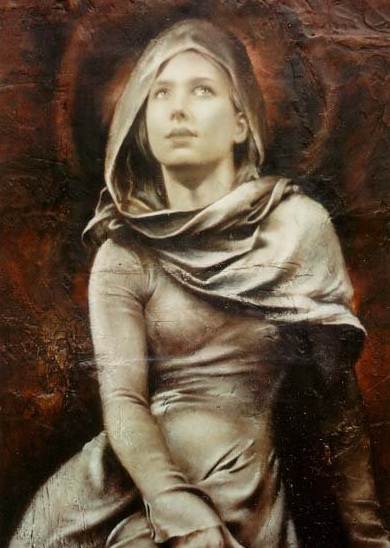
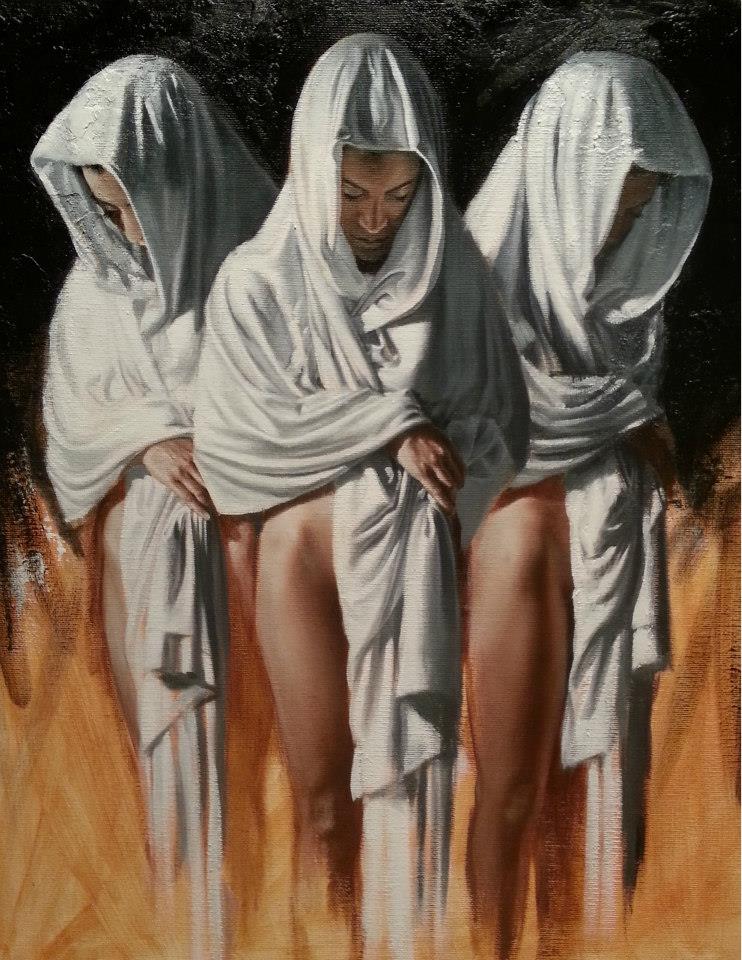
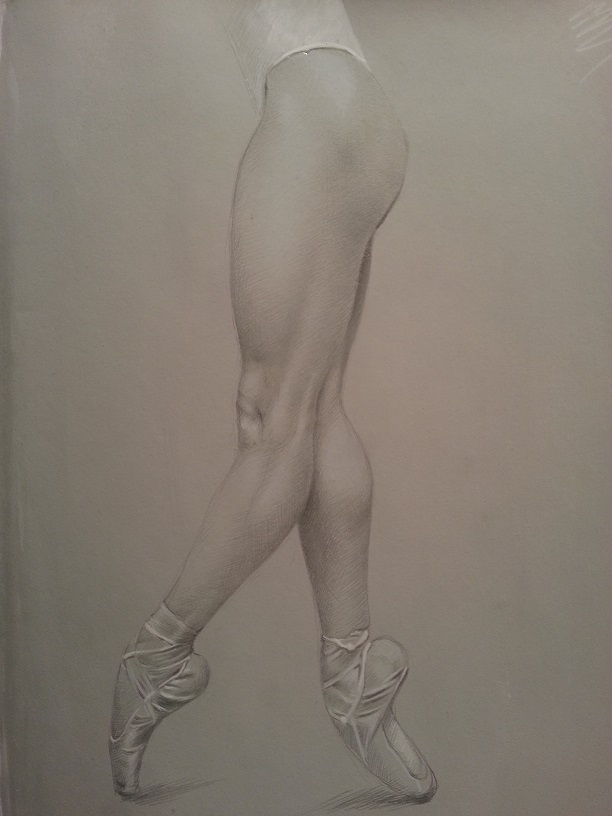
Michael Griffin awaiting the returnMichael Griffin three fatesMichael Griffin silverpoint study2

Considering you have been an artist since your childhood, did creating art come naturally to you? How were you introduced?

In a way, I feel that art chose me… Both of my parents are artistic, so I guess some of it was passed along genetically. I did a lot of drawing and colouring as a kid. Playing with plasticine was also a big favourite of mine. My dad was a sculptor and I have memories of going out to his workshop and watching him carve stone. One memory that I believe helped build my interest in art is from kindergarten. One day, I did a drawing of a bird that the teacher liked so much she pinned it up on the “good work board” I was so proud and remember feeling the need to start immediately on my next masterpiece. I think that this moment and her encouragement definitely helped push me towards becoming an artist.

There seem to be religious undertones in your work. Is this true, and if so, how come?

Over the years, my beliefs and the way I look at life evolved – a lot of values that I once had are still important to me but in a different way. It’s gone from what’s written in a book to looking at the bigger picture; seeing it for what I believe it’s truly all about. It’s about faith, kindness, charity and courage, not a set of rules that one must follow. With some of my work, I hope to talk about those values. Not to preach, but to inspire.

Although you have been involved in art for most of your life, you’ve also had a history working as a Firefighter and Army medic. How has this changed you, as a person and an artist? 

One thing that working as a Firefighter does is help keep me grateful for my health, family, friends and the time that I have left here. My work with the army has been as a reservist and in a training capacity only, so I can only say what the training its self has done for me. I have had the honour to learn from some people who I look up to and admire very much – people who have incredible strength and sense of duty. Some of which who left the comfortable life we live here and risked everything to try and provide a better one for others. I find that the training is not just applicable to life in the army but to life in general. It teaches discipline, organization and leadership skills. The extended family that’s provided through the Fire Department as well as the army has given me a huge amount of support and inspiration. I’ve come to know some amazing people. In time, I would like to use art to explain what we do and what kind of people we have serving our country at home and overseas.

How would you describe your style? 

I am primarily a realist painter but I feel that my style is always changing. One of the things that I have noticed about my work is that every piece looks different to me. There’s always a realistic element to each piece but the way it’s presented makes it seem like each piece was painted by a different person.

Is there a reason why you find beauty in anatomy?

The human body amazes me – how everything is engineered and balanced out. I just love the lines, shapes and shadows as well as how it feels to capture a certain pose or feeling. I find that I get a huge amount of satisfaction when I complete a piece and can feel the gravity and balanced weight in the figure, for example. A piece of art can speak to a lot of people in a number of different ways. I feel also that with figurative art, you can create things that are quite open as far as meaning goes but also have the ability to tell a story exactly how you wish it to be told.

How have you developed as an artist over time?

I have quite a troubled past, so with me, most of my change has been as a person. It’s been more of a search to find myself and learn about what is important to me. I wish I could have documented the changes better through artwork. As far as changes to style and choice of medium is concerned though, I believe I’ve spent most of my time just learning things that I feel should have been taught in art school: developing technique, balancing painting, drawing and sculpture.

What was the last artwork that had a lasting effect on you? How so? 

I visited a gallery in Rome called Galleria Borghese a while ago. It sells only a limited number of tickets per day and spaces the visitors out into groups so that there are only a few people in the gallery at the time. In this gallery, there are several works by my favourite artists. I remember entering a room, turning a corner and actually jumping because there in front of me was a painting by Caravaggio and beside that one there was another one…and another… and another! I was moved to tears as I was able to get right up close to each piece and see the brush strokes and the technique of these artists whose work I love so much.

What is your favourite art gallery or event in Vancouver? How about outside of Vancouver or Canada?

It’s hard to say which gallery is my favourite here in Vancouver because there’s always something new and interesting going on around town. There are lots of neat ideas and things to see. As far as galleries in other places go, a few of my favourites are the Tate Gallery in London, as well as the portrait gallery there,The Uffizi Gallery as well as  the Galleria del’academia in Firenze. Last but certainly not least, the Galleria Borghese in Rome.

As a man with experience in both sculpting and drawing/painting, how are they different?

 I believe that they tie together quite closely for me, especially as an artist who works mainly in a realistic style. Working in sculpture gives more of an understanding of the volume of the subject you’re working with, a feeling for the form, and how deep to push the shadows. When drawing and painting, you’re not only painting the surface of your subject. You also represent what’s underneath. Similar to how a figurative artist is better off having a good knowledge of anatomy, it gives you a sense of where things are and why.

Where do you get inspiration for your art?

I get my inspiration from a lot of different places. As far as art that I find inspiring, I’d have to say that work done by pre-raphaelite painters is among my favourites.

In the past, you’ve said that you “try to tell stories of personal conviction and strength to do what one believes is right in the face of adversity.” Is this the main message of your work, or are there others?

I try to do work that talks about these things but not all of my work deals with it. My painting, “Awaiting the Return”, for instance, tells a story of Mary Magdalene, who according to the story was a strong and faithful follower. The story of Jean d’Arc, a fierce and courageous leader, is another one I’ve worked on, but recently I’ve been doing sketches and pieces on mental health. Specifically depression, as over the last few years I’ve found myself wrestling with that. It tells a story of a slightly different struggle – an internal one.

Have you ever gotten  “Artist’s Block” and if so, how did you deal with it?

Picasso said it well when he said, “Inspiration hits but it has to find you working.” Sometimes it’s difficult to come up with ideas if I think too much about one specific piece. I find that if I work on more than one piece at a time or doodle, sketch or even create some random unrelated stuff, ideas will come to me. Staying busy in my sketchbook is a great way to stay on track as well.

Has traveling impacted you as an artist? In which ways?

Absolutely! However, I think that traveling has changed who I am as a person more than it has had an effect on my art. It has been an invaluable experience for me, as it taught me a lot about myself and indirectly affected my art in that way. I learned way more about myself than I could have at home in my comfort zone. Traveling has also been an enriching experience as far as my art is concerned because I was able to visit masterpieces and study them up close, like getting lessons from giants like Sargent, Carravaggio, Michelangelo and Bernini.

How do you hope to experiment in the future?

I actually have a tough time talking about myself as an artist as I consider myself to be a student – always learning. I am quite drawn to traditional work and almost all of my art has roots in western traditions. I’ve been experimenting with mediums and processes used by old masters and will most likely continue to experiment and create work using these techniques.

What is your favorite (and least favorite) thing about being an artist?

I love the exchange of ideas and the seeing the creativity in how others share them. Personally, I love sitting down with a blank canvas and paint or a block of wood and watching something materialize as I enjoy my favourite coffee or music. Making a page look back at me is something I love. One aspect of being an artist that could be unpleasant is feeling pressure to create. I don’t think that making art should ever feel like a job. You should be able to create with a mind free of stress. This is a problem that I faced at one point, and a major part of the solution to that problem was becoming a firefighter. Besides it being a job that I love, it gives me enough time to create and the income to buy good materials and courses if I want them.

How would you define art? 

That’s a difficult thing to define in black and white because everyone seems to have a different idea of what art is. I’ve been told that art needs to say something. It can be a powerful tool of expression for important and profound things but I don’t think that’s necessary. I believe that art is created when someone genuinely combines their imagination, creative spirit and skill to produce something that they love and is meaningful. I look at it as a personal experience.


Mexico Born Artist Becerrah Keeps Balance of Every Day Via Creative Process

Interview With Dinorah Becerrah

 About: Dinorah Becerrah is a painter focusing primarily on flowers and other natural designs. Currently, she is practicing out of Vancouver, B.C. 

dinorahbecerra

Visit Dinorah’s Youtube Channel: http://www.youtube.com/user/VivalaVidaDinorah?feature=watch

This is your third time at the event. What is it about the A.W.E that keeps you coming back?

I like to see different artists and their work. I think it is a great opportunity for artists whom may be new in the city or are exploring a new medium. I enjoy the feedback that I get from the public, and there is a very large traffic of people.


How were you influenced as an artist by your heritage or home town? 

My father writes poetry. My mother used to paint. My sister is a poet. In my home town, Mexico City, there are Frescos everywhere.

Who was your main inspiration growing up and how has it changed from then? 

It was my mentor Jorge Arturo Ojeda, a poet and writer. Therefore, I was a poet, but the need to express in the most basic form for me is painting.

Many of your paintings have floral designs. Is there a reason for your focus on flowers? 

I believe that the flower represents the essence of life: cause and effect. I associate Flowers with women and with life.

Your work also features bright and bold colours. How do you experiment with the use of colour while painting? 

There is joy in pink, strength in red and coolness in white, which are my basic colours.

How have you developed as an artist, both professionally and personally? 

I have developed by reading and listening music, attending concerts and lectures, and sharing with others. Experimenting with different mediums.


What was the last artwork that had a lasting effect on you? How so? 

Recently I made a painting called “La Coatlicue”. Coatlicue is an Aztec Goddess, the creator of the earth and Heaven. She’s the Mother of all gods.  I just love it!


How did you receive your training? 

At twelve I was introduce to paint by my sister’s friend, who was a young talented artist. By fourteen I was under the wing of my mentor.


What type of environment do you prefer to work in? 

I prefer to work in my own space. I play with the canvas and its reflection on a bunch of mirrors at different angles. Then I have light coming from different angles as well. I love to work at home alone.


Where do you get inspiration for your art? 

Every day I see beautiful things! Whether it’s in figures or words, children, animals, water, mountains… Its all over!


Have you ever gotten  “Artist’s Block” and if so, how did you deal with it? 

Yes. Changing my language and country blocks me temporarily, but i’m glad because I create even more afterwards. 


Is there a main theme or message to your art? If so, what? 

Life, women and nature: the three universal Powers.


Did you always want to be an artist? 

Yes. The creative process keeps the balance of everyday life.


Do you currently have a favourite artist or gallery? 

I love open studios, specially as it has been done in San Francisco, where several artists open their studio or home to the public. In this way, the public gets a deep sense of the art and their creator.


Describe the Vancouver art scene in three words. 

Naturally revealing scene!

Small Town Carver with Big Dreams Joins Art World Expo!

Welcome to Art World Expo Tim Motchman!

By: Alyssa Laube

About: A self-taught woodcarver from Vancouver Island, Tim Motchman creates sculptures inspired by nature and beauty. To see some of his work, go to:

http://www.cedarvisions.com/

timmotchman1  timmotchman4 timmotchman5    timmotchman9timmotchman7

This is your first time at the Expo. What are you expecting or looking forward to?

I don’t really know what to expect. Coming from a small town on the North Island I am sure it will be quite an experience and I want to try it for that reason alone. I am expecting to meet a number of other artists, to see some beautiful works of art and to connect with people who are interested in my work.

timmotchman2

How did you get started in woodcarving?

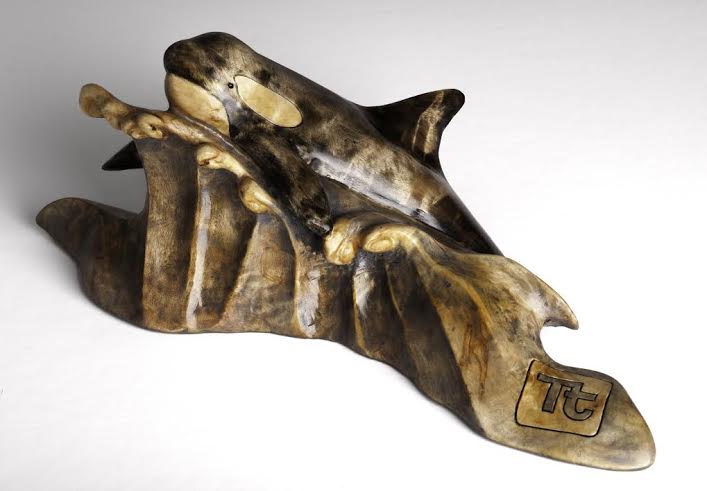
I got started woodcarving quite by chance while cruising the coast by kayak. I was so enthralled by the beauty all around me, had lots of time on my hands and was surrounded by wood on the beach.

British Columbia is known for it’s artistic use of wood in native art. How were you influenced as an artist by B.C’s culture?

I am influenced by the creatures, life and beauty I encounter in my daily activities. Birds on the beach, whales or dolphins swimming by, loons calling, kelp flowing in the tide. The world around me is what influences me and guides my art. I am a coastal artist trying to express my love and appreciation for the world around me.

How has your heritage or family influenced you?

My British heritage as provided me with a strong work ethic and my family has always supported me. My wife Sheila has become a vital part of who I am as an artist. Her support, ideas, encouragement and guidance have made a huge difference in my work and who I am as an artist. I would not be where I am today without her.

How have you developed as an artist over time, both professionally and personally?

My growth as an artist has been one of slow, steady progress. My skills I have grown with each day at my work bench. Pieces I can create today I could not do a year ago. My ability to work with wood and tools evolves constantly. The size of the pieces I can create now has gone from a few inches in length to over 6 feet. The complexity of my work has also grown. My ability to see and understand movement and how to incorporate that movement into my carvings has also grown. I feel that my pieces are becoming more and more “alive”. With the growth of my skills as a carver I feel a real sense of completeness in myself as a person and that reflects in my growing sense of peace and contentment. For the last 13 years I have been able to work full time as a wood carver. Being able to focus on my art has really allowed my work to grow.

How did you receive your training?

I am a self taught carver, and I have trained myself slowly and at times with great difficulty. Each day is a learning day and each day I strive to create the best piece I possibly can. I have taught my eyes, hands, fingers and muscles to work together in wood to bring my carvings to life. I have worked hard to understand my medium and learnt through trial and error all the tools I need to carve the way I do. From milling logs with my chain saw mill, to working with adze, mallet, chisels, shaping tools, sandpaper and finally finishing.

What type of environment do you prefer to work in (ie: a studio, home, etc.)?

I prefer to work in my studio which is divided into three parts. (There is) an outside work area under a clear roof where I do the chainsaw work, grinding, power sanding, planning etc. The real dusty work is done there. The bulk of my carving is done by hand in my inside shop which has a large work bench under a large window. I work standing up and enjoy the view of the ocean, the warmth, music and my large range of tools. I have finishing room where I finish my pieces away from any dust. It is here that also do my drawing and packaging to ready pieces for shipping.

What was the first piece of art you sold?

The first piece of art I sold was to Dr. Paul Sponge and Helena Symonds of Orca Lab on Hanson Island. It was an owl to go above their front door to bring good luck to their home. It is still there after 28 years.

How do you challenge yourself in order to improve or develop new ideas?

Each day I strive to make the best possible carving that I am capable of. I keep in mind that some one is going to have the this carving for years and it needs to be the very best I can do.

Did you always want to be in woodcarving? If not, what did you want to be and when/why did you change your mind?

I had no idea of being a woodcarver growing up nor as a young adult. Woodcarving came to me from my desire to live a simple life on the coast. Before becoming a woodcarver, which is a constant process, I was in the navy, worked with handicapped adults, tree planted and drove boats.

Do you currently have a favorite artist?

I have a number of favorite artists which are in no particular order: Charles Edenshaw, Bill Reid, E.J. Hughes, Robert Davidson, The Group of Seven, Robert Field, “Kayak” Bill Davidson, Emily Carr.

timmotchman3 timmotchman8

What can’t she do? Meet International Artist and Super-Woman Marie-Anne Vorlet!

Marie-Anne Vorlet was born in the French part of Switzerland and raised as well as schooled in the German part of same country. After high school, no longer able to numb the urge to travel and experience the world, she looked for ‘portable’ work. She spent her first years as a working girl as a nanny in England, Cameroon (West Africa) as well as in Switzerland. During those much enjoyed years she developed a yearning for more knowledge which surprised her as she remembered school as a place of boredom. After earning the ‘Matura’, the Swiss school diploma required to enter any of the countries universities, a short detour to medical school helped Vorlet figure out what she did not want in life. It also allowed her to finance her years studying math, physics and astronomy. Working night shifts at the major teaching hospital in Zurich, teaching math as well as Tao Yoga on the side made ends meet. After these quite long years the travel bug hit again. Lucky enough to find a very flexible employer in one of the two big Swiss banks as well as work as a freelance translator, Vorlet explored parts of Europe, America, Nepal, Hawaii and South Africa. Crafting, especially sewing and knitting has been a hobby since age five, a year working in the shop of a avant-garde dress-maker in the late eighties, gave her the possibility to have a close look behind the scene. Statement: “No matter what I am doing, I am at my very best when dealing with a situation that is completely new to me. And I do love to create some

marie

Interview With Marie-Anne Vorlet

by Alyssa Laube  

About: Marie-Anne Vorlet, born and raised in Switzerland, is a woman of many titles – from world traveler and volunteer to artist and entrepeneur! For more information on Marie, visit:

http://www.thetinybigbag.net/MAVBio.htm

 Having grown up in the beautiful country of Switzerland, were you influenced by your roots? How so? 

Yes. I think my roots have indeed influenced me, especially the French Suisse part of them, as well as our beautiful landscapes. The Swiss “Frenchies” take life easier and appreciate beauty and the arts a lot! 


You’ve spent a lot of time travelling in your life. How did this change you, both as a person and an artist?

Travelling is definitely my bliss in life. I love to see new landscapes and colors, taste new foods, and meet people with different ideas. Travelling and volunteering in Africa made me appreciate the many possibilities we have and tend to take for granted in the rich countries!

How does Vancouver compare to other cities that you have lived in?

I love and appreciate the proximity of big city-life and nature that Vancouver offers. It makes it a part of my “all-time favorite cities” list, which includes Zurich and Cape Town for the same reasons.

Have you always had an adoration for new experiences? 

Yes – I actually had a longing for the “new and exotic” since Primary School, which, as a child, made me devour books with a passion.

As a person who has tried many different occupations, do you feel that they were necessary in order to find your true passion?

Definitely! Nothing compares to personal experience.

What do you consider to be that passion?

Art, making new ideas work, i.e. creating my own NGO: www.educationwithouborders.ch, which was inspired by my Canadian friends. After volunteering regularly at and supporting my friend Heather Reynold’s orphanage, ‘God’s Golden Acre’ in KwaZulu-Natal, South Africa, for years, I strongly believe that education is a door opener!

How many languages do you speak?

Four: Swiss German, German, French and English – I have plans for learning Zulu as soon as I have more free time.

How was it beneficial to be multilingual, professionally? 

It has been very beneficial, especially in Zurich because this city is quite international in its focus.

What is your favorite place that you have been to or lived in?

Namibia – the desert colors are just divine! Paris: fashion, art, food – need I say more?

Many of your paintings focus largely on shape and color. Where did this fascination come from? 

It still surprises me how a different color can “change” a shape, it just never gets boring.

You have quite the variety of hobbies! Which ones do you still practice today?

Traveling and spending as much time outdoors, preferably in nature that has not been altered by humans.

Are there any that you would like to explore?

Yes, learning to fly!

A recent project of yours is The Tiny Big Bag, described as “The ultimate fashionable tote handbag (which) folds into handkerchief size.” Where did you get the inspiration for this idea? 

Moving to Vancouver many years ago (in 2000) from a country with very strict laws concerning the environment I was shocked to see that plastic bags were still free and used in enormous numbers in Canada. My cultural-shock-question was: “Would you like this double bagged?”


For original ideas such as The Tiny Big Bag, do you prefer to manage them individually or cooperatively with others? 

I would love to take a highly motivated partner on board – someone who has strengths I do not have myself!

Looking back on your journey, do you have any favorite/least favorite memories?

My favorite memories include the first time I saw the ocean (all the space!) after so many mountains at home. And, of course, the first trip I took out of Europe at the age of 17, which led me to Cameroon. Since then I am hooked! Africa is still my favorite continent!

Is there any point in your development as an artist that you regret or cherish most? 

I have few regrets in life! I cherish the fact that I am mostly self-taught in regards to my artwork. Curiosity is what keeps me going in life.

What are you looking forward to the most at this year’s Art Expo? 

The chance to meet people, see a lot of other peoples artwork and the possibility to show my work in a great location at Science World!

marie2

Annual Body Painting Competition is a Hit-16,000 and counting!

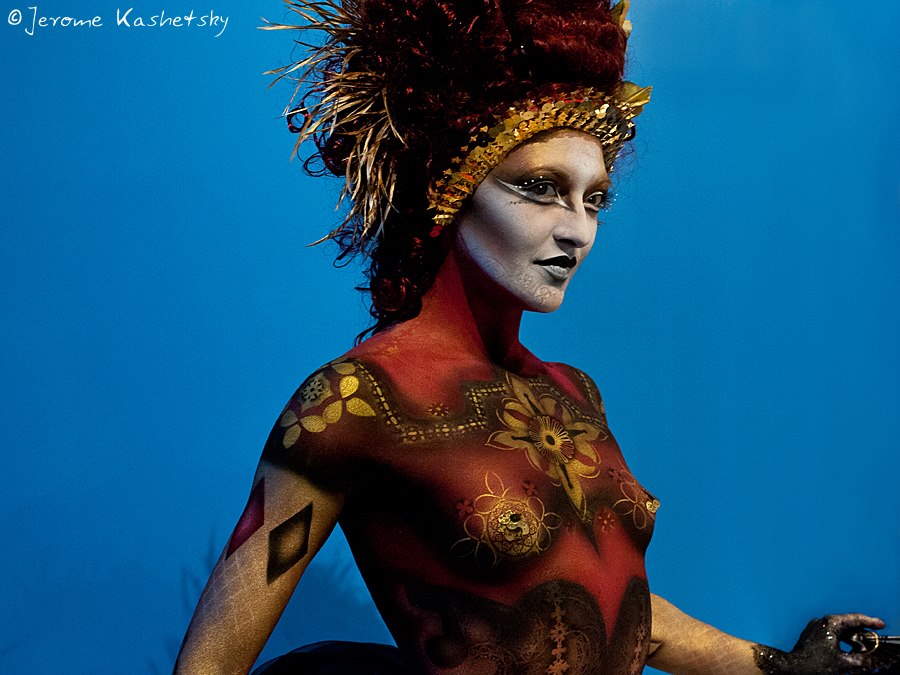
Whether you are a fan of special effects make up or live performances, our annual Art World Expo TM Body Painting Competition is a fantastic hit every year! Last year’s competition has hit over 16,000 hits on Youtube and counting!

Check out these fantastic body painters from Art World Expo 2013! A big thank you to Reiko Mackenzie from the Real Housewives of Vancouver for hosting the competition! Congratulations to Natacha Trottier for her title as the AWE Body Painting Winner 2013.

natacha_bp_2013

See you this year for another fantastic show!

Get your tickets:

https://www.eventbrite.com/e/art-world-expo-tm-tickets-10141123373

Carve or Starve!-An Interview with Jesse Toso

About: Jesse Toso, born and raised here in British Columbia, is a talented woodcarver whose tool of choice is equally impressive: a chainsaw! To see some of Jesse’s extraordinary work, go to: 

http://www.stumpartist.com

Image

Image


The first time you carved was at a competition in 2005, at which you took first prize in the Amateur category! What motivated you to take part in the competition, and did you have a feeling that you would be a natural?

I grew up in Campbell River where the Transformations on the Shore Chainsaw Carving Competition has been taking place since 1997 and I remember looking at the amazing carvings produced at the event each year and I thought to myself: “I could do that”.  So,  I borrowed a chainsaw and hacked away at this giant piece of Douglas fir and by the end of the week, I had shaped out a Phoenix. After taking home the $1000 prize, I decided to do it every year after. This year will be my tenth!


Why do you prefer to work with a chainsaw, rather than other tools? 

Chainsaws are fast.  

In your opinion, how does the type of wood influence the final carving? 

The type of wood I use influences the final carving immensely.  The colour, the size/shape, the grain are all contributing factors.  Sometimes I look at a piece of wood and determine what to carve based on it’s shape and type, and other times I will want to carve something and look for a piece of wood that will work, but ultimately it is the wood’s inherent qualities and characteristics which influences the final carving.

What did you do for a living before wood carving entered your life? Do you think you will continue to wood carve for the rest of your career? 

I am a carpenter by trade as is my dad so working with wood comes to me naturally.  I will continue to keep carving wood, but I am also interested in exploring the artistic relationship(s) between other building materials, namely: glass, metal and concrete.  And I’ve always wanted to try carving ice.

What is the best part of working in wood carving?

Wood is a beautiful, natural, and quite versatile.  And it’s sustainable.

How have you improved over the years? 

I improve every time I carve. Going to annual carving events such as the competition in Campbell River and Carva-Palooza (an annual chainsaw carver’s convention in Ontario) has also been a huge boost.  I hope to continue improving with every carve.

What do you consider your most difficult piece? How about your favorite one? 

I would say the 16-foot spider hanging on the side of a building in downtown Campbell River was my most challenging and my favourite, too.  It involved creative engineering, 3D visualization, chainsaw joinery, and it was done in five days (as a part of the carving competition).  Also, it caused a bit of controversy.  People wrote into the local newspaper asking it be taken down as they have arachnophobia and could no longer go to the theatre because of the giant wood spider overhead!  Other people then responded in defence of the spider, and it so had people talking in Campbell River.  Which is what art should do, right? I have since carved several spiders and I will be bringing a “smaller” 8-foot version to Art World Expo.

You’ve worked on a variety of different sculptures, mainly focusing on animals. Do you prefer to use nature for your inspiration and how come? 

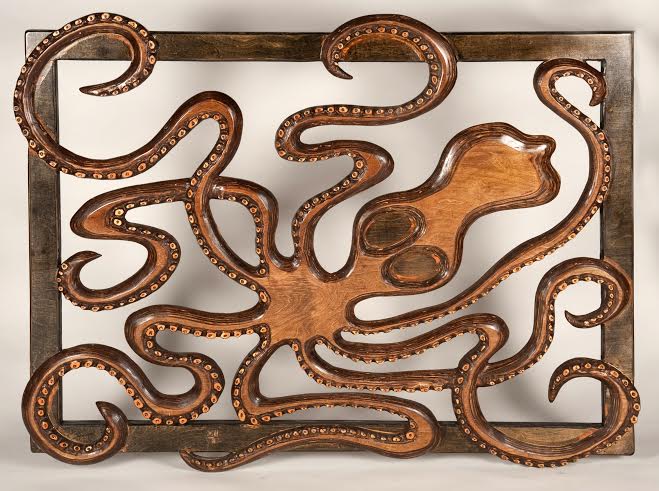
I am drawn to curvy, smooth, rounded, flowing shapes such as octopus legs, dragons, or the neck of a heron, and so find myself carving such shapes.  It happens that most things with these characteristics are from nature.

How has working first-hand with nature changed your relationship with it? 

Trees are precious. I am honored and humbled when I carve into wood that had once been a tree that had been standing for hundreds of years. I feel I need to use every bit of the wood I am carving.  Many of my carvings are from off-cuts from other carvings. 

Do you think that wood carving differs from other forms of art? How so? 

All art is expression. Carving wood with chainsaws is just another way for me to say: “Look what I can do!”

Do you have any advice for beginners in the field? 

Carve or starve! 

 Image

Have you ever done a collaborative piece? If not, would you like to? 

I have done several collaborative pieces.  As a part of Carva-Palooza, one of the several carvings we do is made with a partner. Actually, this year I will be leading a group project (at Carva-Palooza) where eight of us will carve a complete chess set out of logs. I am really excited to see how this turns out.

Emotional Narratives with Kinetic Energy-Eric Goldstein

Artist Statement-Eric Goldstein

Nature is not always as it appears. Thinking and emotions play a big part in how we see nature. When Picasso said,  “I paint objects as I think of them, not as I see them”, I believe that he was saying that he intellectualizes about the subject without the affects of feeling emotions.

By distilling the basic elements of color, texture, movement and line from the landscapes of my world, my abstract frames endeavor to portray nature’s sublime order, not as ‘I think of them’ but as it emotionally feels; unspoken, indescribable and sometimes chaotic.

Ultimately, my constructed frames attempt to express “Emotional narratives with kinetic energy ”

http://www.ericgoldsteinart.com/

eric goldstein

1-What do you consider the most important thing in being an artist? 

1. For me, the most important belief I have as an artist is to endeavor to be true to myself. In that, I mean I don’t create art for art’s sake, but simply out of an innate desire to create.  It is important for me to let go of what I think is marketable and trendy and cultivate my own internal creative process and intuition.

2-When did you start painting/making art? How did you start? 

Not sure if this counts, but when I was a senior in High School some vandals broke into our school, vandalized several things, but the only thing they stole was one of my paintings from the student art gallery. It was an austere beginning but a start nevertheless.

3-How do you feel about the arts in British Columbia?

It is not unreasonable to think of British Columbia as a natural center for the arts. With it’s rich history I am not surprised at the plethora of expressive art.  One only has to attend the Eastside Culture Crawl to see that our five thousand year old artful traditions have translated into a striving art community.

4-What would you call your most interesting accomplishment as a professional artist? 

That I lived to be as old as I am.  Really!  And that I have been fortunate enough to have sustained a living being creative.

5-What advice would you give to artists looking to start their career in the arts? 

Protect your creative powers from the mundane stresses of mere survival.  Live two lives; one as a professional and the other as an artist.  Find a career that you enjoy, other than the arts, where you can make your money.  Use that money to create your art.  This way your creative processes will be free to explore without the confines of making a living. If your art sells than that’s a great bonus. In time you will know when to give up your day job.  Don’t make art to live. Live a creative life; be a creative thinker in everything you do and live a life of self-expression.

6-What is the most gratifying aspect of being an artist?

For me, my artwork is a personal journey, a kind of a catharsis that I allow to happen for myself and when the result of that process speaks to someone else, either intellectually or emotionally, that is a very gratifying experience.  Of course a ’sale’ speaks volumes to that.

7-What do you feel is the most frustrating part of being an artist? 

For an artist, your work should always be a source of frustration. Frustration is the process of working out new things.  It is the process of applying your unique experiences and talent to the thing that you are doing. If it was easy, anyone could do it.

8-Can you tell us about your studio? (describe your work space)

My studio is a 14 x 14 foot space with a large garage door that opens to a beautiful forest. Part wood shop, part machine shop, part chemistry lab and part catch-all for my kids junk, it’s the space where my imagination comes to light.  I like to think of my studio as a very powerful sanctuary where my creativity is nurtured by a collection of tools for a multitude of materials. I am fortunate enough have my studio attached to where I live so I can work any time of night either in my pajamas or three sweaters in the winter.  It reminds me of Alexander Calder’s industrial studio, where thousands of mobiles hang haphazardly from the ceiling and machinery and drafting tables cluttered the floors. It’s a place where the space above your head is as important as the floor space. Most of the time I have to move five different things to make space or to find the tool I need at any given moment.  It’s a place where my stereo is paramount.  Even though I dream of a larger space, it is a place that completes me.

9-What is your vision for your own work and the studio in the next 5-10 years? 

I should see a great deal of change in the next five years.  I know I will be moving my studio next year, but to where I’m not yet sure.  As for my work I am open to anything perhaps bigger pieces and definitely more public exposure.

Personal statement:

For the past 18 years, I have collaborated on over 35 film projects as the Director of Photography.  For me, cinematography has always been a truly renaissance art. It has required the alchemy of science, math, history, and technical skills to distill order out of visual chaos.

As with any creative ensemble, filmmaking is a collaborative endeavor.  But as a painter, I am on my own. I find that painting requires greater self-acceptance and a deeper engagement with my world.  And this time, instead of trying to make order out of the chaos, I’m embracing it and allowing it to be what it is. Ultimately, my painted frames express the same underlying concept that I strive for as a cinematographer: emotional narratives with kinetic energy.

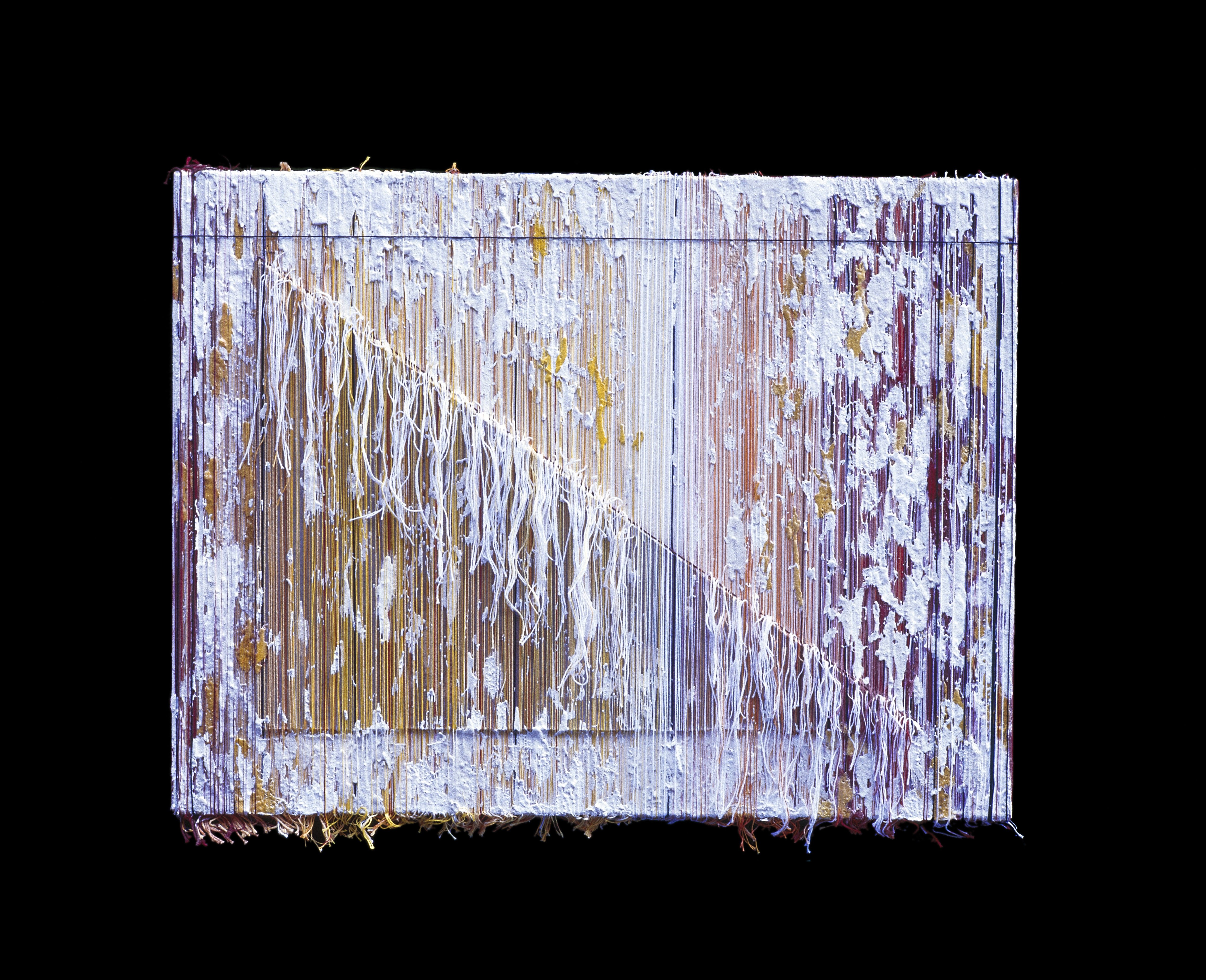
Currently, I am using colored thread of various thickness, acrylic medium, latex paint with sand, plaster, and gold leaf, to tell a story of a- kind. By distilling the basic elements of color, texture and line from the world around me, my canvases attempt to be moving images of nature—not visible nature, but as nature feels—unspoken, indescribable and sometimes chaotic.

eric goldstein2

Biography

Eric Goldstein began his career as a teenager, sweeping floors, setting up lights and processing film in a small dark room for the renowned civil rights photographer James ”Spider’ Martin. Throughout his high school years, Eric worked as an assistant photographer to Martin whose work appeared in national publications such as Life, Time and Look magazines and today is on permanent display at the Civil Rights Museum in Birmingham Alabama. Spider Martin was very influential in establishing a life long creative pursuit for Eric.

Eric honed his skills as a fine artist at Rhode Island School of Design. While in school, Eric‘s metal sculpture, Garden Rocks, was chosen in a jury-selected show to exhibit at the Rhode Island Museum of Art. He also had a one-man show of his photography entitled the Duality of Light. In his senior year, Eric was asked to be the cinematographer on a grad student’s film. Inspired by the success of this project Eric set out to Los Angeles to earn a degree in Film and Video from the California Institute of the Arts.

Now based in Vancouver BC, Eric has had a long and productive career as a cinematographer and a fine artist. Eric has photographed over 30 features and televised movies of the week. His work has garnered several awards: An Eastman Kodak Cinematography Award for his contribution to the Oscar nominated short, Contact starring Brad Pitt, a Best Cinematography nomination at the BC’s Leo Awards for Zero Sum, and a Best Cinematography Award for How’s My Driving, at the International High Definition Festival and recently received a Gemini nomination for The Last Days of The Raven. Eric’s distinct style has been aptly termed “lustrous naturalism”.

Throughout his filmmaking career Eric has remained contemporary in the language of art with his metal sculpture, painting, furniture design and artistic fences. Presently, he is using various coloured threads, acrylic paint, metal foils and plaster to build canvases that are graphically influenced, and have strong, architectural rhythms.