vancouver

Artist Vicki Rae at Art World Expo 2014

Accomplished artist Vicki Rae joins Monika Blichar in studio for a candid interview about her craft.

ART WORLD EXPO TM Proudly Presents: Artist Vicki Rae

Vicki currently lives and works in New Westminster, BC. She received formal training at the Lorenzo di Medici Art Institute in Florence, Italy and is otherwise ‘self taught’.

A Vancouverite with Native Canadian and South African roots Vicki has explored various themes such as SAFARI and other wildlife subjects, dance and human experience, spirituality and psychology.

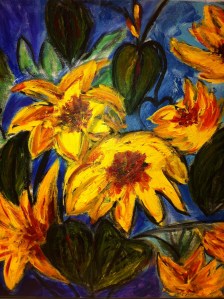
Using a striking, vivid pallet, expressionism and the full spectrum of human emotion Vicki’s body of work honours and embraces the light and the shadow, and en masse, is a captivating visual journal of her life and experiences.

“Employing intuition as a guide and raw emotion as fuel, I give all of myself to my Art. I engage with each piece, as if in a dance, and allowing the painting to lead me I aim to reveal it’s unique energy, it’s voice and the story it has to tell.”

For more information about Vicki, please visit:
https:/www.vickirae.com

Art World Expo TM tickets are available online:
http://artworldexpo.eventbrite.com/

By Phone: 1 604 999 6177

Email: artworldexpo@gmail.com

Event Information, Applications and Artist Interviews:
https://artworldexpo.wordpress.com/

Connect on Social Media:
https://www.facebook.com/ArtWorldExpo
https://twitter.com/ArtWorldExpo

2014 Theme: CIRCUS!
“Life’s A Circus, Enjoy the Show!”
Don’t forget your Top Hats and Clown Costumes!

Art World Expo is an annual fine art show and sale representing local and international artists of all mediums. The event was founded by Monika Blichar in Vancouver, BC in 2010 and is held at Telus World of Science the first Friday of May each year. For more information about Monika Blichar for MAB Ventures Inc. including information about MAB Art Studio & Boutique Gallery, please visit: https://www.monikablichar.com 

Meet Catherine Coulter-An Artist Finding Common Ground to Communicate

Interview With . . . 

Catherine Coulter

by Alyssa Laube 


About: After a ten year break from journalism, Catherine Coulter is making her grand return to writing and the arts. She focuses on photography and writing, but has a wide variety of other hobbies and interests. You can view Catherine’s work at: 


http://catherinecoulter.wordpress.com/


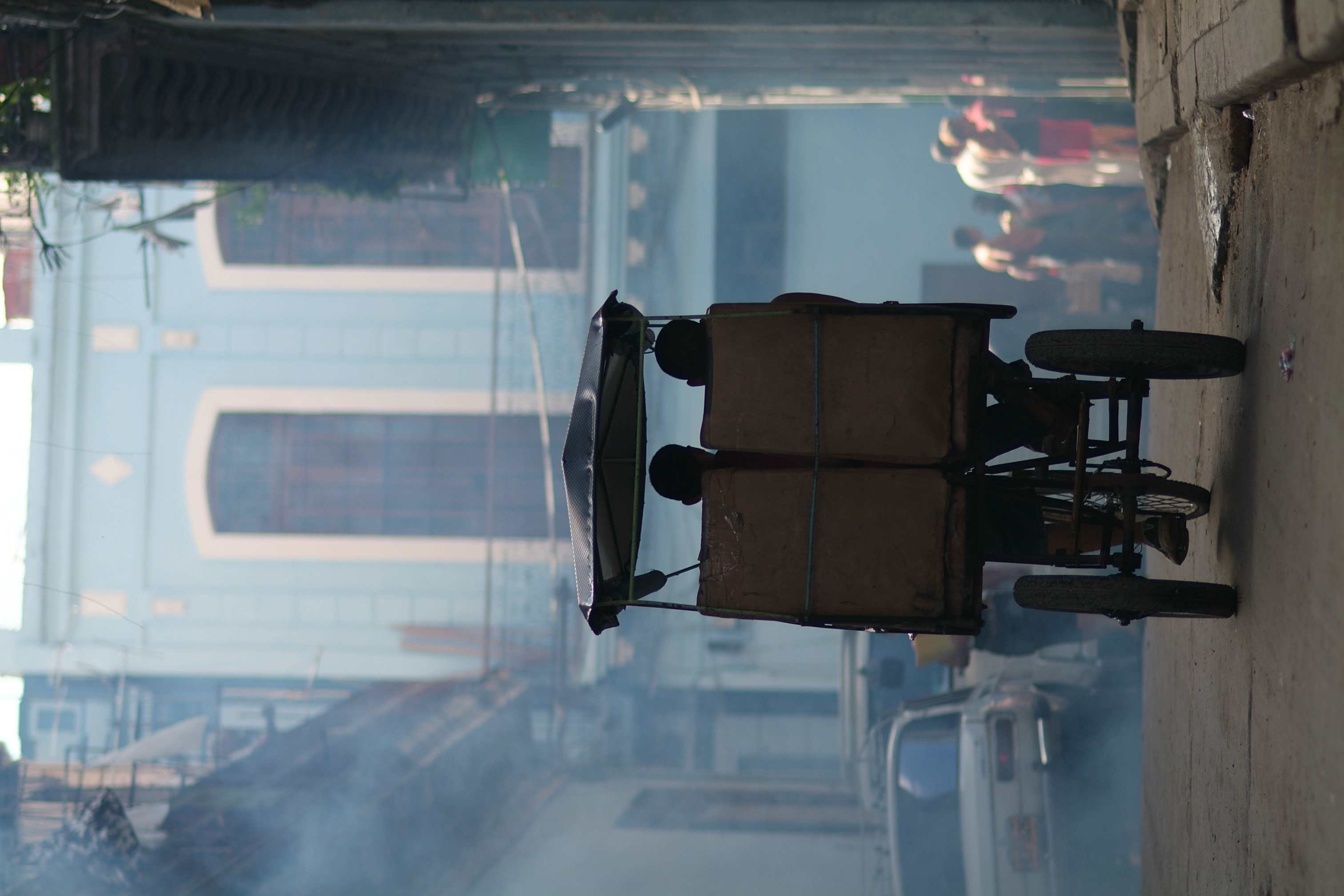
DSC_4422    final vignette Dawn Rickshaw

In the past, you worked as a journalist. What was that like? (i.e.: who you worked for, what you wrote about)

I wrote for the North Shore News but my first position was at the Williams Lake Tribune. I was staff at those two papers but I freelanced for a number of other newspapers and magazines. I covered court, fashion, school board, sports, food and wine: that’s the beauty of a community paper – a reporter gets to try everything! (Note: this is weird. I’ve never been interviewed before.)


What encouraged you to move on from journalism?

Seeing myself satisfied personally and professionally in the future.


Could you tell me about the 10-year break you took from it?

Marriage, motherhood, travel, philanthropy, personal and spiritual growth.


In this time, did you stop writing completely? How did you get your creative fix? 

I wrote journals for years, and experimented with my photography, trying different kinds of cameras and using a lot of film.


Are you glad that you took that break? What came from it?

I’m glad I stopped writing for newspaper. I missed the human interest stories, but writing news did and does not fit my character.


What encouraged you to come back to it? 

Basically working away at myself emotionally and discovering what really makes me happy!


Please tell me about your trip to Turkey! How did it effect you?

Just seeing the word Turkey makes my heart burst! I turned 40 the day I landed in Istanbul this past November. I was ready for a journey alone and 40 seemed the perfect ‘excuse’. I experienced a real upheaval in my life a few years prior and it was the first opportunity since that that I got to be alone, process and heal and I did so by writing and taking pictures. There were moments on that trip where I would be sitting with my journal on my lap, my cameras lying around me, my cheeks would be flush and my boots dusty from a day of hiking and photographing, and I knew I was just where I should be doing what I should be doing. That feeling is incredibly powerful and I came home wanting to share it with everyone. And, eventually, provide an opportunity to host similar trips (stay tuned).


Before your work as a journalist, what jobs did you have? 

Terrible waitress and amazing nanny!


What hobbies have you had throughout your life and in present day? How did they shape who you are? 

I’ve played on the same soccer team for 15 years. My son and I are avid skiers. I hike. We love our cruiser bike rides in the summer (my Mothers Day gift to me a few years ago: a 1968 Schwinn Starlet!), being in and on the water, spending as much time with our friends and family doing anything and nothing. We are blessed. I am what my life is today.


Why did you start each of them? 

Landing in India at 22 years old was the catalyst for everything.


As a book lover, which ones are in your top 3? Which are you reading right now? 

Eek! Top 3?! How about top 30?! Currently, I’m reading The Rise, Annabel,  Diary of a Wimpy Kid and Captain Underpants (my son is 7!).


How have books changed you as an artist? 

Oh good question! Visualization.


Why do you believe you love stationary, letters, and other sentimental objects?

Letter writing is art to me – its expression and its thought. The process of choosing a beautiful piece of paper – the colours and textures – then scrawling across it with an ink pen…So beautiful! Plus, the feeling it gives someone to receive something so carefully prepared for them. I will never forget what it looks like or how it feels to see my Dad’s handwriting – it’s like being close enough to smell the soap he uses.


How would you describe yourself as a person and an artist? How do these descriptions compare?

There’s no difference in the two. Compassion, full of love and humour, quirky and rooted, curious.


Why do you love photography? Writing? 

They are both so intimate to me, and give me an opportunity to express and explore myself safely, clearly and without criticism or judgement (until now, of course!).


Do you have any training in either of these fields? 

I attended Western Academy of Photography and Journalism on Vancouver Island.


How are the two different, in as many ways as possible? How are they the same? 

I suppose to me it’s like watching a movie and reading the book. The story is being told in two different ways yet if done well each should be as visual as the other. So, although they are different ways to tell a story, a story is still being told.


Other than signing up for the expo, how are you practicing leaving your comfort zone? 

I feel like I’ve put an invitation out there that leads directly inside. To reach my goal, which is helping other women with growth through art and travel, it’s important I’m available and a bit vulnerable (my M.O.: lets all get comfortable with vulnerability!).


What are you hoping to gain from this year’s expo? 

Monika (Blichar) has been an amazing source of inspiration and encouragement for me (and many others) so it’s really about goals and fulfillment, and getting past some insecurities. She asked me a few months ago, “If money is no object, what do you see yourself doing?” It was such an easy question for me to answer that I hadn’t put to myself.


As a photographer, what do you like to focus on? 

People in their environments.


Which effects do you like to use? 

Well I don’t really use any actually. The reason I love film is because, if you haven’t gotten the right exposure and focus well that’s that. It’s tough to recapture the original moment. I love holding my breath getting film back thinking ‘Oh crap. This will be awesome or it’s $50 down the drain!’ And I have had some amazing results and some seriously disappointing ones. With the exception of a couple of iPhone snaps I basically came home with zero pictures from last year’s spring break in Mexico. I had taken only my mini Diana and my film was tangling up like nylons out of a washing machine – so much for cataloging that trip for my son! It’s the same for digital though. I’m fairly challenged when it comes to electronics/technology. My strengths lie in my ability to connect with all kinds of people no matter what their background.


Do you often have a message incorporated into your photography?

There’s a theme, for sure. I’m fascinated by women in their environments. In school, I did a photo essay of an exotic dancer – I still find those pictures interesting. I photographed her getting ready and a small part of the performance, literally one or two shots before I wrapped it up. (The performance wasn’t telling the story though, in my opinion.) I’m always amazed that, if we truly want to, despite our differences – religious, cultural, language barriers – we can find some common ground or ways to communicate. Whether its through our children, a broken heart, an illness, or passion for travel or art or music, a great success, literature, or a few bottles of wine and a dance off!


How did your childhood influence you as an artist? 

Everything has brought me to where I am now, both good and bad, and has taught me to be observant, interested, thoughtful and sensitive.


What do you hope to do in the future, both in your personal and professional life? 

“Keep on keeping on like a bird that flew…”- B. Dylan

photo


Bill Stewart-Revealing a Perspective for Trees with Green Branch Decor

Interview With…

Bill Stewart 

by Alyssa Laube

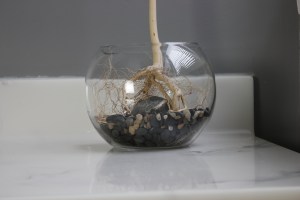
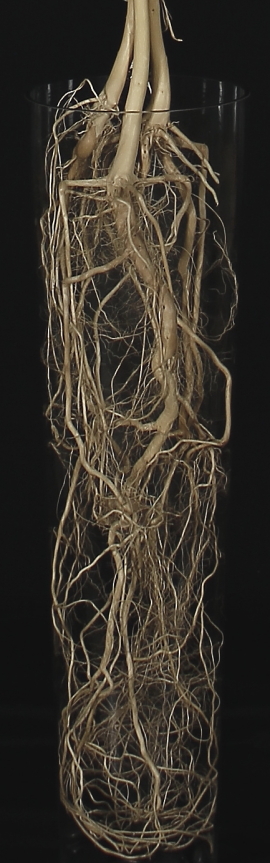
greenbranchdecor greenbranchdecor2 greenbranchdecor4 greenbranchdecor5

About: I’ve lived my life on small acreage in Abbotsford. B.C. I spent the first five years of my working life in reforestation, where a handful of friends and myself did tree planting and juvenile spacing. We would often take all our gear and supplies with us and make our own camp with plastic and tarps, and not come out for a week or so – a somewhat appealing thing to do, especially in a person’s youth – spending time in the mountains and helping in the regeneration of the forest. Juvenile spacing in reforestation is where an established plantation of either planted or naturally seeded trees are too crowded, so  the density is thinned to a tree every eight or ten feet. Even though we had moved from our rudimentary camps to staying in logging camps and motels, the often inclement weather, and not uncommon assaults from mosquitos, no-see-ums, and black flies, and the isolation, all begins to wear on a person, so I decided to go farming and have been doing that since. I use to keep livestock, but quit doing that in 2004, when I started a new endeavour in trying to grow European truffles. I’ve had some successes  – in 2013 I harvested the first verified Perigord truffles grown in Canada, buy I haven’t yet produced enough to say the venture has been a success. Shortly after I  started the truffles was when I started thinking about growing trees for artwork.  A recent change in my life came two years ago when I got diagnosed with cancer. Even though I had always been health conscious, after the diagnosis  my wife Kathi and I went on a vegan diet – something we are both enjoying. It’s not an uncommon paradox that something that isn’t good can lead to something good.

For more information about Bill’s work, please visit http://www.greenbranchdecor.ca

Your work is centralized around trees. Why did you choose to use them as a medium and what gave you the idea to use them in art? 

The reason I chose trees is largely because it gave me the opportunity to accomplish two things at once – give me something to grow, and provide a medium for creative purposes. It started first with the need and desire to grow something. Having grown up on a small acreage where our family always had big gardens, a person acquires a desire for growing and nurturing plants. I had a number of empty spots on my farm and was looking for a something to grow in them, so I started thinking about a few trees to fill in the spaces. About the same time, I was doing a couple of small jobs on the farm. The first was when I was picking up some cedar branches I had pruned from a tree, and the idea came to me that instead of burning them, perhaps I could find a use for them. On a whim more than anything else, I decided to try to peel them, and found them to peel quite easily, and that they were also very appealing, with their fine branching and the brightness that resulted from the bare wood. Shortly after that I was doing some weeding and I pulled a young maple tree out of the ground and noticed how substantial and interesting the roots were. That got me thinking about the roots of trees and how their size, shape and character are to a large extent unknown, even though they can be equal in mass to the part of the tree above the ground. So I wondered if roots of trees could also be peeled, intact with the top of the tree, to create art from the trees. The more I thought about it, the more ideas I came up with. So I came to the conclusion that I would grow trees in those empty spots on my farm , and use the trees as a medium for artwork.

What makes working with wood different from other materials?

This is my first real endeavour at creating objects of art, so I haven’t really used other materials in artwork. But having said that, there are some things about wood that can be adventitious. The first is the many ways that wood can be shaped. The list of the potential shaping tools for wood would be very long – from simple tools through sophisticated electric tools, fire, water, and even other organisms. And the many ways wood can be finished and transformed also offers a very wide range of possibilities – from nothing at all, through painting, staining and dyes, and yes, fire, water, and other organisms. Another potential benefit of wood can be the uniqueness and strong characteristics of an individual piece. And the relative innocuousness of wood, and often pleasing tactility  aspect of wood is a bonus.

Do you remember the first time you found your interest with trees or nature? 

I can’t remember the first instance I developed an interest with nature, but I’m sure it was at a very young age. I have many early recollections of spending a lot of time outdoors. Growing up with gardens, pastures, and bush, it would be hard not to observe, admire, and become interested in nature. As for trees specifically, as a kid I climbed many a tree – mostly just for the fun of it, or for picking some choice fruit, or even for harvesting cascara bark.

What do you hope to accomplish with your work? 

I think that my work can reveal a perspective of trees that is not always appreciated. The removal of the bark is like an unveiling – highlighting and showcasing the intricacies of the tree’s wood, and with the peeled cedars, the intricacy of their fine branching. This highlighting accents the shape of the tree, revealing how the tree is always trying to reach outward and upward in it’s quest for growth. This in turn can be translated and compared to a person’s or a community’s strive for the same growth. And my work with roots opens up a host of other symbolisms, such as anchoring, bonding, and nourishment.

Please explain the following concepts and how you use them: ikebana, bonsai, Feng Shui and Japanese Zen.

I’m far from being an expert on either of those subjects, but like with many things, there are threads of commonality running through each of those concepts – and with my work. In the case of ikebana the similarities  with my work are the use of different parts of a plant to draw attention to shapes and lines, the use of minimalism, and  often a suggestion or evocation of a certain meaning, usually to draw humanity closer to nature. With bonsai and my work, the obvious connection is the use of trees. In bonsai the trees are kept small through judicious pruning of both the crown and the roots of the tree, and even though the end objective of my work is very different, I have to employ many of same techniques. The main artistic concept of bonsai that I try to emulate, is to reveal the essence of the tree. Feng Shui is a very complex art form that emphasizes  the harmonization of people with their environment, and it is that principle that that I try to bring into my work. Japanese Zen is about balance, harmony, and relaxation, and is associated with minimalism, simplicity, and purity of lines. Although a tree in nature may strive for balance, harmony, and relaxation, the forces of nature does not always allow it to achieve that objective. And a tree certainly is not always about minimalism, simplicity, and purity of lines. When working with my trees I can choose to show the tree in either state – balanced, relaxed, simple – or the reverse – struggling and stressed out.

Why do you peel wood rather than sand it and how does peeling wood impact your works?

The peeling allows a lot of character and detail to remain on the wood, and if I get the timing of the peeling right, the resulting surface of the wood is  very smooth with a natural sheen. The peeling also avoids some of the dust that comes with sanding, though the peeling can also be kind of messy. The fine branching of the cedars I peel could not be retained with sanding – it would be impossible to sand off the bark and still have any wood left.

Have you done any works with the bark on, sanded, etc.? Would you consider it?

I do have a few pieces with the bark on, but I find  the pieces with the bark on to be very uninspiring, so I avoid them. If I have a piece of wood that is proving to be too difficult to remove the bark, it may end up in the scrap pile. Sometimes I will paint pieces that I purposely left the bark on. With regard to sanding, I do sand a little – to remove any bits of bark that may remain, or remove any other marks on the piece, and working with the roots requires quite a bit more cleanup and sanding to remove bits of bark and loose frayed wood.

What are the themes in your art? 

The themes in my work is to show how a tree can be seen as a representation of energy, enthusiasm, perseverance, and be solidly grounded and anchored.

How do you use sculpturing? 

In my work sculpturing consists of shaping the trees when they are growing and in preparation of a final piece. The most obvious and most expected place this is seen is how I shape the tree with pruning and then again the final shaping, but there can be some other sculpting going on – such as both unintentional and intentional injuries that have been inflicted on the tree – potentially adding significant character. Another area of my work where I have without doubt shaped the tree, is the roots – you just know that somebody had to persuade the roots to grow in that shape. That is the most unexpected and unique characteristic of my work. I am considering doing some more traditional sculpting of some of my pieces and I’m watching for a piece that might fit some of my ideas.

You’ve said that you use representations of the trees as human characteristics. How do you use personification in your work?

It is actually quite easy to use trees as the embodiment of the human form – a pair of outstretched limbs on a tree or outstretched arms on a person aren’t so dissimilar. And the human spirit can also been in a tree that is in a shape that exhibits it’s vibrant growth and outstretching, or conversely a tree that is struggling under harsh conditions can be compared to person in similar circumstances.

What do you mean when you use the term “movement” in a piece? 

The term isn’t that much different from personification, but of course it’s not only humans that have movement. Some of my pieces that have a twist and/or turn in them elicit the sensation that it has been stopped mid-frame and could move at any time, and of course the tree did have to move to get into that position – ever so slowly as it was.  And some pieces elicit the idea of a leaf or flower bud that could spring open at any time.

What is your favourite piece? 

I don’t have a favourite piece, but I’m really liking the new work I’m doing with some of my trees that have matured into trunks and roots of  a substantial size. I like them for the reason that their finished size can be minimized  and they still have a lot of presence. One of them is the one I’m bringing for the silent auction. I’ve named it “Schoolmarm Bole”. The “Bole” part of the name comes from the use of the word ‘bole’, in forestry  to refer to the trunk of a tree. The “Schoolmarm” part of the name comes from the word ‘schoolmarm’, which is a old term to describe a woman teacher that is regarded as prim, strict, and brisk in manner and the term is also used to refer to trees that have a trunk that forks into two sections that are usually very close together – like the legs of prudish old spinster schoolmarm. Kind of mean and kind of funny.  Come to the show  see that it is a very appropriate name for the piece.

Do they range in size? 

Yes, I have pieces that are very small and some that are very large. And like I mentioned earlier, with some of my older trees reaching a larger size, I’m finding that the finished pieces not only look better when they are reduced to a smaller size, but they are also more functional for fitting into most settings.

Where do you get inspiration? 

My inspiration mainly just comes from my surroundings and observing and contemplating how different elements and shapes are found in nature, and how I could bring them together in such a way that they are appealing and brings a person into a contemplative state. I’ve also had some inspiration from Rodney Graham’s images of inverted trees and I’ve been watching for some pieces that I could use for some ideas I have, and have my eye on a few pieces. I might even be able to have one or two finished for the show.

Where do you find your materials? 

At first most of the tree material I used was found on my farm and I still get some of it that way, but now I grow most of my materials expressly for the purpose of using it in artwork. A lot of the rocks that I use I gathered several years ago from the Fraser River’s Herrling Island when the river was being dredged of some of the rocks to keep  the channels flowing more freely. It was a great spot for a wide selection of rocks. It happens that Herrling Island – which is just downriver from Hope – is one of areas we planted – with cottonwood trees – so different in a number of ways than the usual planting that is done in reforestation. Now I get rocks from the local gravel pits, where the rocks originated from the same mountains that the river rock came from, except they were deposited by either the river when it had a different course or were deposited by the glaciers in the last ice age. I also have a wide selection of used equipment and parts from some of my former farming, that I sometimes can incorporate into my work.

How do you use the following woods? Please compare and contrast:  Peeled Cedar. Peeled Maple, Peeled Hazelnut and Miscellaneous

Of those woods, the peeled cedar is the only coniferous, so it is dramatically different than the others – mainly because coniferous trees with scale like leaves have a very fine and multi-branching top. Although they are a lot work and it is kind of difficult to remove all the bark, the end result can be  very vibrant. I have tried to use the roots of cedars in some of my work, but have not had a lot of success. The peeled hazelnut’s difference is mainly that it is usually older wood from cultured trees and have a lot of character from the many pruning and natural wounds it has endured. The maple is the wood that I enjoy and have the most success with. It has the a  fairly hard wood, grows fairly rapidly, and most important, it”s roots are very good for my work. Some of the other species that I use are elderberry, birch, alder, cottonwood and several other species. The one thing they all have in common is that they are all what I call volunteers – meaning I never intentionally seed them. I have enough trees on my property that if I leave a pot out with some soil in it, or there is some bare soil, nature will soon plant a tree seed for me. Although I do grow some of these volunteers, most of them have some disadvantages, such as a root system that isn’t conducive to my work, or the wood is too soft to remain in good shape during the peeling.

How has living in B.C. affected your artwork? 

Living in B.C., with it’s mainly rain forest climate, certainly has affected my work, mainly because there is such an abundance of trees. There is no shortage of tree forms to look at, especially in the winter when the deciduous trees have shed their leaves to reveal a closer view of their shape. B.C. also provides the opportunity to work with trees in employment – which for me was reforestation. So B.C. has certainly provided a lot of exposure to trees for me. And I assume that my working with the tree roots on rocks partly originated from being in the mountains and seeing  trees with their roots partially exposed. Just the overall wildness and varied nature of B.C. can be inspiring.
greenbranchdecor3

How about living on a farm? 

Living on a farm keeps me close to nature, especially because I allow part of the farm to remain wild. This is where a person can get inspiration for my kind of work. It was while I was living on the farm and I was looking for something to grow that I considered my artwork.

What is it like working as a couple? 

Although we are not usually too far apart on the farm, we don’t often work right together.

Does growing your own crops make a difference? 

In regards to the material that I grow for my artwork, I wouldn’t want somebody to grow it for me – I like the satisfaction of knowing that it is all my own creation. And even though the growing of the trees can be a lot of work, I like that it keeps me outside where I can observe and experience the changing seasons and weather.

Why do you prefer to stick to natural ways of growing your crops? 

I prefer to avoid using the often harsh and poisonous fertilizers and chemicals that can be used in farming. They can provide some savings in time and get quicker results, but also can disrupt the natural balance and diversity.

Where can your work be found?

I’ve made part of my barn into a showroom  where I have a small collection of about a hundred finished pieces. I also have some items at the White rock Museum & Archives in White Rock, The Avant Gardener in West Vancouver, and at Monika’s studio in North Vancouver. And I will soon have an online store on my website.

greenbranchdecor

An Interview with Diva’s Niche Designer Rebecca Fisher

Interview With . . . Rebecca Fisher

by Alyssa Laube 


A Quick Autobiography

Throughout my life I have been many things – a daughter, wife, mother, llama farmer, business owner, teacher and now student. And now, as a recent breast cancer survivor, I find the experience of mastectomy, chemo and radiation to be a catalyst to many life changes. Now I am enjoying, with renewed excitement and appreciation, the preciousness of life. Divorced and with a decidedly different external landscape, I find myself drawing on my creative side with much more intensity, truly believing in the power of healing through art. I am recent graduate Capilano University Textile Arts Program where I spent two blissful intense years honing the skills I have garnered over a lifetime. My current work involves explorations in millinery and accessories finding these small canvasses the perfect venue for my creative energies.”

Image


When and how did you first get started in textiles? 

I remember using my mother’s sewing machine when I was 5.  I also remember taking my sister’s clothes and cutting them up to sew into Barbie clothes. I’ve been doing it since then.


Did you know you would want to do it as a profession?

My grandma came to Vancouver from London, England in 1905. She supported her family by sewing and selling smocked dresses out of her children’s clothing store on Robson. When I was 9, she taught me to smock. It was a very serious endeavor for her and she made me swear on a bible never to tell anyone how to do it ,as one day I would make my living smocking. When I had completed a baby dress, I went back to see her and she went over every stitch, folded the dress in her lap, and said, “It is saleable.” That was the hardest jury I have ever passed! I knew at that point that I had an aptitude for textiles and it was a natural progression.


What about working in the field do you like/dislike?

I love the alchemy of marking and colouring cloth – of taking something plain and giving it life. It’s a celebration of colour. I create these textiles with the intention that they will be worn and lived in. The only thing I really dislike is that there aren’t more hours in a day!


You use both natural and unnatural dyes. What is the reason for this, and how are they different?

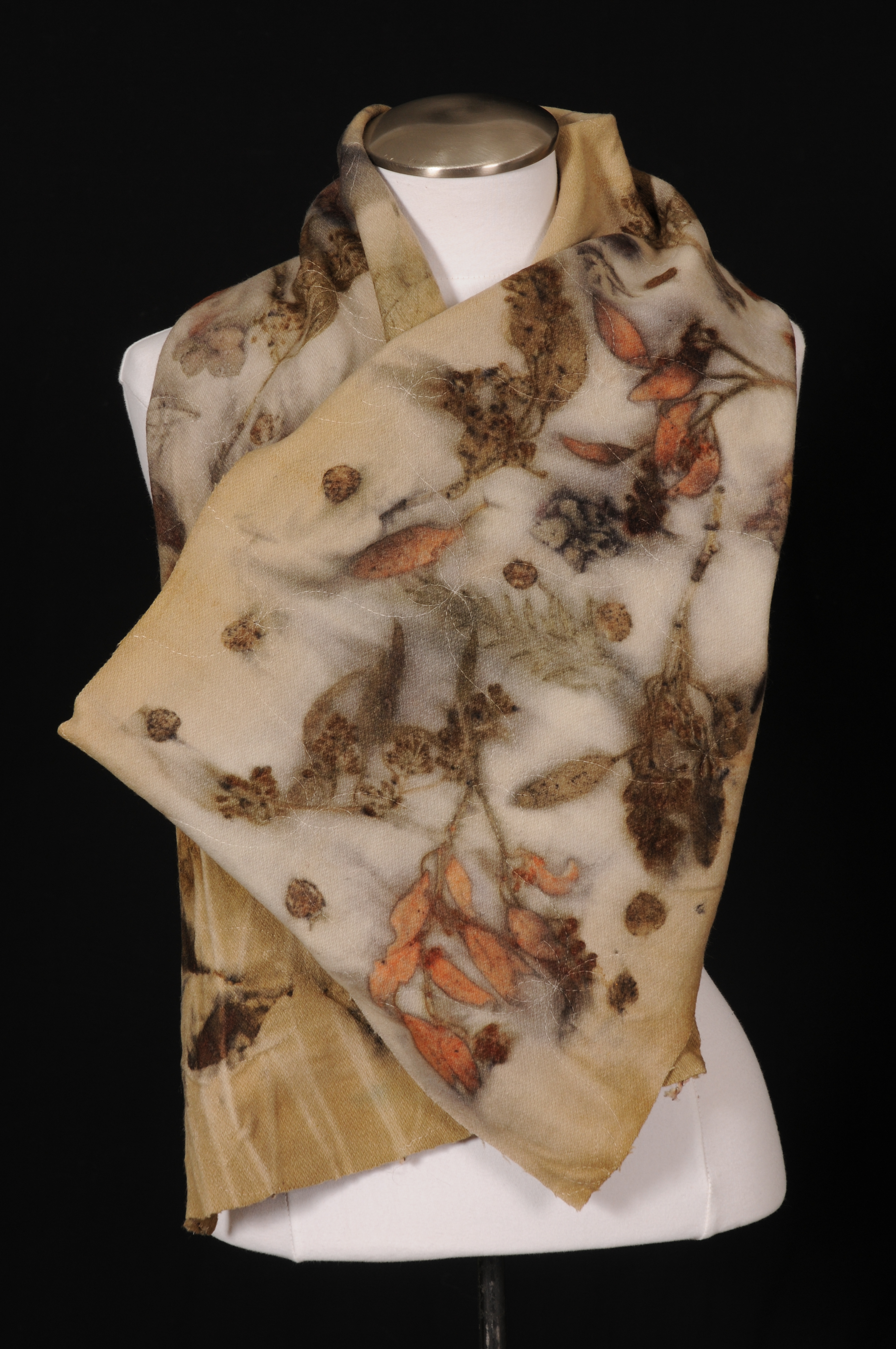
I am by no means a purist as far as attachment to a specific technique goes. Having said that, I love each for their own unique vocabulary. The natural dyes only work on natural fibres and that brings a richness that is unrivalled by anything manmade. I love the smell of the silk and wool in a dye pot of onion skin tied with rose leaves and eucalyptus. The colour palette is soft and deep and reminiscent of an old secret garden hidden away for centuries. I also feel an attachment to the many generations of natural dyers and artists before me when I work in this medium, as if my hands are not the only ones placing and wrapping leaves and flowers against cloth. It’s like a collaboration with the earth and my ancestors.

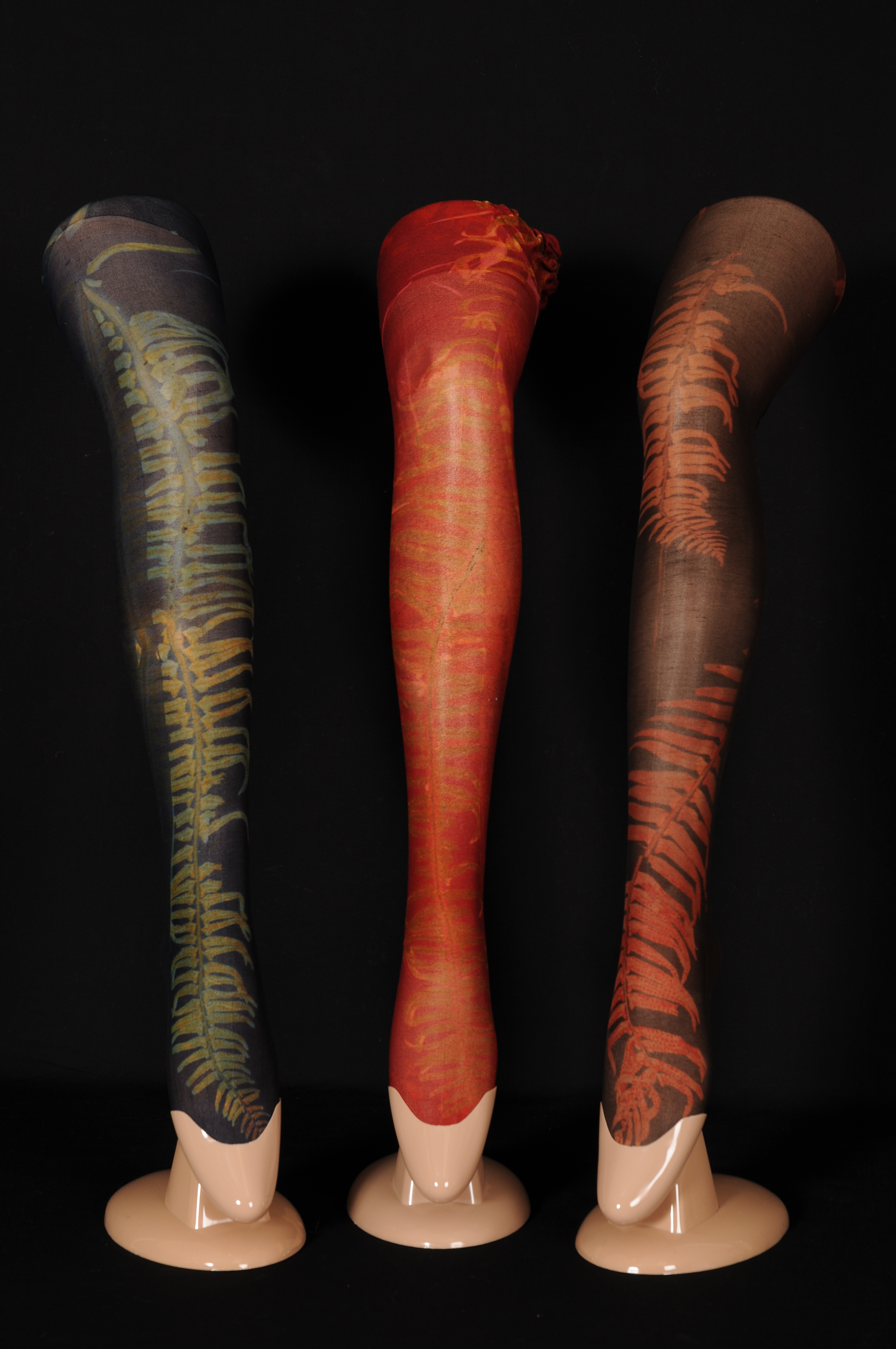
The manmade dyes have a vibrancy and colourfastness not achievable with natural dyes. There is an immediacy in their usage that appeals to my magpie-like attention span. There is also an element of repeatability and reliability that is missing in natural dyes. The dyes that I use on the printed hosiery are polyester-specific and can only be used on manmade fibres. They are particularly successful on hosiery and poly satins, hence the development of the line of printed panty hose and scarves. 

Image

How did your family influence you as an artist?

As a child, I spent a great deal of time with my grandfather. He taught me about the colour wheel using tempura paints mixed by my mother on a wooden easel built by my father. I guess you could say that my artistic side was recognized and supported. I also spent a great deal of time in my grandparent’s antique store which may account for my obsession with textiles. I remember the thick velvets and laces and today, lace images still find their way into my work. My father was an amazing gardener and I think that influenced my colour sense as well as a love for the intricacies of different leaves and flowers. My great grandmother and great aunt lived on Lasquiti Island for many years and collected many books full of pressed flowers which were put into pictures and cards. I was always mesmerized by the delicate petals pressed flat – like I was looking into the secret domain of fairies – or something equally romantic. I still have a picture over my bed made by my great grandmother with pressed ferns and flowers. The aesthetic is quite similar to the imagery on my fern imprinted hose.


Do you have any training or are you self-taught?

I have spent a lifetime exploring textile arts and am a recent graduate of the Caplilano University Textile Arts Program – a wonderful program that was my gift to myself for surviving chemo therapy after breast cancer 5 years ago. This is currently the final term that this 40 year old program will be running – one of the many Arts cuts at Capilano University. It’s such a shame. This program offers students a skill base not found anywhere else.

I was born in Vancouver and have always lived in this area. the West coast imagery is part of my soul. There is never any shortage of inspiration. It can be found on short walk down the road to the river or just out in the backyard. The little fellow that was the model for my raccoon hat was a constant visitor last year. Always by himself, he would come in the evening and hang around in the backyard, watching us with great curiosity. The skunk hat also had a live model although not so cute. He sprayed the dog 4 times last year!


Considering the exaggeration of natural elements in your work, how does living in B.C. affect you? 

Nature has both a fragility and a great strength. It has beauty that is constant and changing. I am always collecting rocks and twigs and leaves whose designs speak to me. My china cabinet is full of skulls collected from under a bald eagles nest. They sit perched on my grandmothers china. Both aesthetics equally precious to me.


Why do you feel drawn to nature?

I don’t know that it was ever a conscious idea or decision. You doodle and draw and paint and slop dye around – Some things appeal and some don’t. I very rarely have something turn out the same as the idea had when I began. Designs morph as you go. I have a very free-flow style of working that follows through the rest of my life as well. Sometimes I think it would be easier to approach things in an organized and structured fashion, but I have come to realize that you can’t fight your brain.


How do you like to use color in your clothing? 

I love colour. It’s all about mood. Sometimes it’s playful with bright colours and other times more subdued and calming. Each day is a new day.


You make both accessories and garments. Which do you prefer, and how are they different?

I probably make more accessories than garments. They are a smaller canvas and I can experiment and work out different ideas. If that experimentation is successful, then it often progresses to a garment.


How long does it take you to complete one piece, usually?

I don’t really work with things one at a time, so it’s hard to say. If I am doing hats, I’m washing fleece and as it dries I am carding other fleece and felting blanks. While they are drying on hat blocks I am needle-felting the features on other ones. It’s like an assembly line – a skill I developed through years of hairdressing. The panty hose are the same kind of thing. I am painting the designs on paper, while its drying I am collecting and preparing the ferns and leaves, then laying them out in stacks and heat setting them. I do tend to do things in runs. If I am making scarves then its a scarf day or a felting day or a flower day, mostly because each thing requires a different set of equipment and I have a small space to work in.


When you are picking which objects to incorporate into the cloths, what do you look for? 

Sometimes on a walk I will discover plants with interesting shapes or in the thrift store i’ll come across some really tacky doily with a lot of texture that is perfect. I feel like mostly, the things find me. Like the other day, I took the dog to the off-leash dog park and he shot off after a duck with me chasing after him. During that little adventure, I discovered the ferns that were growing from the trees – slightly softer and smaller than the ones I had been using. I was curious to see if they would work and how they would translate on to cloth. I loved them so I plan to go back later this week and pick some more.I am always careful to pick gently and not take too much, especially with things like lichens.

Image

Explain the process of making those objects a part of the fabric. Is it difficult?

Sometimes I will paint the actual leaves, others I will make silk screens of the leaf images and screen the dye on. Sometimes I draw the images by hand, or a combination of all 3. It’s not any more difficult than another technique but it does require a fairly in-depth understanding of how the dye works and some specialized equipment.


How did you learn to do it?

I learned my basic skills at the Textile Arts Program at Cap U and have actually just completed a directed study to develop this technique. I wanted to take advantage of the last term the program is running to further my experimentation.


Where do you find your materials?

With the leaf imprinting, any time I leave the house I usually find something. My pockets are always full of leaves and twigs and seeds. The hats I buy use local specialty fleeces and  I process them myself. The fabrics are often rescued or vintage.


Do you ever work with others professionally, or do you prefer to work alone? 

I love collaborations and I love creating in solitude. Sometimes it’s nice to have someone of a similar mindset around to assure you that you are not crazy and to bounce ideas off of.


What is your favorite piece to make?

Every piece I make is my favourite piece in that moment. Although I have to say I am really enjoying the panty hose currently.


Which fabrics do you use for each garment? How do you treat each one differently?

Each fibre and fabric type – wool, cellulose, and polyesters – all require different dyes and treatments. I use wools for hats, scarves and shawls which may also incorporate pieces of silks or polyester.


How do you experiment?

Everything I make is an experiment. I am a messy artist, not by intention. It’s just that when I am working, I am oblivious to the rest of the universe. 


How do you get such original ideas? Do you have any ways to encourage yourself creatively?

I think it is important to spend time with other creative types to keep the energy up. It’s also important to give myself time to create; turning off the phone and working undisturbed even if its just to mix dyes and sweep the floor or unroll fabric. I try to do my initial experiments without attachment to the outcome. I fine tune an idea before committing it to a 500 dollar piece of cloth. Sometimes doing something in a completely foreign medium is a great creative boost.


Do you have any other jobs or hobbies?

I foster high risk youth in the other part of my life. I like to garden and I like to cook.


How does your personal life affect your professional life?

I think the high stress level from my job fuels the need for creative expression. They kind of feed off of each other. Over the last 2 decades I have managed to keep a fairly symbiotic relationship between the 2 sides of my life.


What are you hoping for at this year’s Art World Expo?

I am really looking forward to this expo and am excited to be involved in such a creative venture. I am hoping that my textiles will be well received and I look forward to making many creative contacts. Did I mention that I was excited?


Waffle Gone Wild at Art World Expo!

We are very excited to have our first ever Food Lounge at Art World Expo this year! Debuting as our first restaurant partner, we welcome Waffle Gone Wild to our show!

Little Monsters at Art World Expo!

Interview with…

Little Monsters Studio 

by Monika Blichar 


Meet Artist Kathleen Erickson from Little Monsters Studio! 

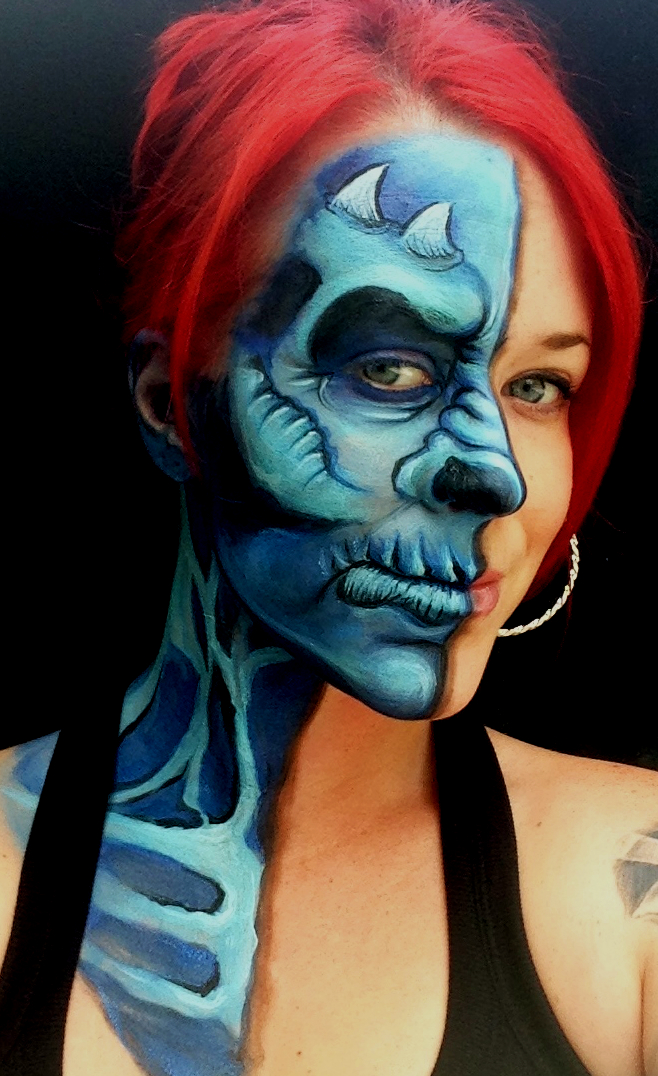
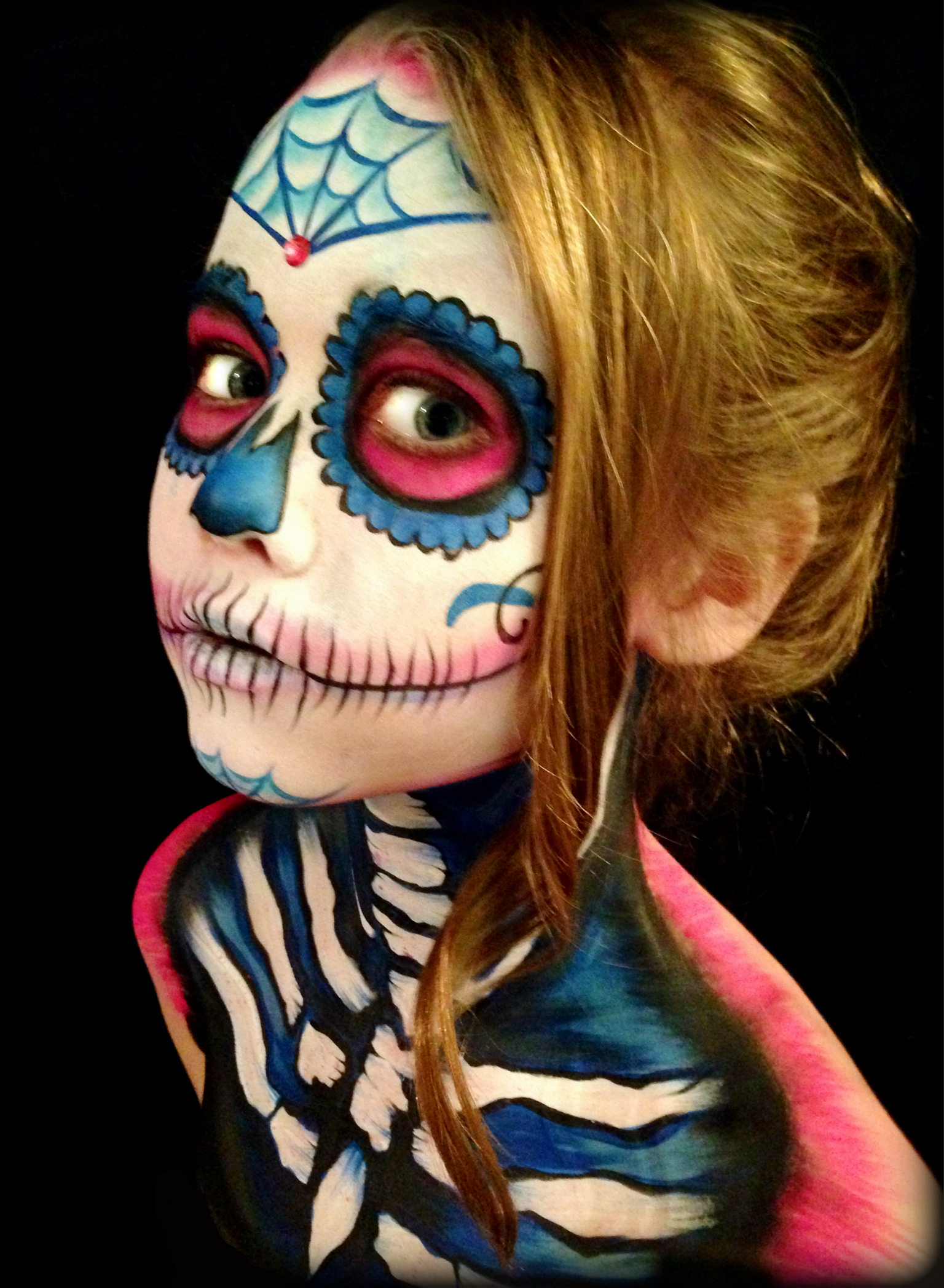
A first time competitor, we are very excited to see what this Monster can do! Apart from having amazingly talented creative skills in face and body painting, Kat is also an accomplished visual artist creating unique pieces like custom paintings and growth charts for kids. We caught up with Kat and asked her a few questions about her experience as an artist in B.C. Here is what she had to say! 


Image

When did you start doing face/body painting?

I took a more serious approach to my painting when I turned 15 and being an artist; I was always experimenting creatively with my children and painting their faces. This helped me transition into starting Little Monsters Studio three years ago.

 Image

Your family and work seem to blend together. How have your kids helped you with your inspiration for your business?

I find with maturity, I sometimes start to take a more scientific approach to my art. So having children helps to keep my art especially my body art & face painting fresh & unconventional.

My children & their friends always want their faces painted and it makes for great family outings like going to the Vancouver Zombie Walk or getting painted for a Seahawks game with my husband.


This is the first time you are competing in Art World Expo body painting competition. What are you looking forward to the most as a first time competitor?

The competitive nature of any competition will only help me to improve in my craft and with my confidence. But what I’m really looking forward to is being surrounded by so many exceptional artists and talented people.  Just being part of this contagious atmosphere and networking with my peers, will be stimulating enough. Then there’s all the great art.


What kinds of services and merchandise do you offer the public?

Face painting & body art are my primary sources of income, but I also sell my paintings and growth charts. During the month of October, I open up my studio to work on big Halloween projects for costume competitions and parties.


What is your biggest dream regarding your art and business?

My goal is to be able to support my self enough, so I am able to continue to focus on projects that I love. I adore body art and especially the Halloween spirit and just being able to continue to grow in this realm would be ideal.


Image

Welcome to the show Kat! Wishing you good luck! 


For more information about Little Monsters Studio, please visit Kat and her troop on her Facebook site: https://www.facebook.com/littlemonstersstudio?ref=br_tf


Art World Expo & 360 Replays

ART WORLD EXPO TM is pleased to present this amazing video of a one of a kind body art installation featuring the creative process in a unique way captured by 360 Replays.

360 Replays develops interactive technology for Internet TV. Their mission is to make interactive TV the regular TV on the planet. In addition, 360 produces camera systems that can be used to capture interactive content delivered over Internet television.

For more information about 360, visit:
https://www.360replays.com
https://www.facebook.com/360Replays

Art World Expo is an annual large scale art show and fundraiser featuring over 100 artist exhibitors, fashion shows, a body painting competition and live demonstrations. The fourth annual event will take place on May 2, 2014. The event is produced by MAB Ventures Inc., An Arts & Entertainment Agency with proceeds benefiting Make and Break Arts Foundation. The event takes place at Telus World of Science in Vancouver,BC, Canada and features artists from around the world.

For more information about the event or to purchase tickets, please visit:
https://artworldexpo.wordpress.com/

https://www.facebook.com/ArtWorldExpo?ref=br_tf

Order tickets by phone 604 999 6177

Body Painting Artist: Cory Keys

Hair & Face Make Up: Monika Blichar
http://www.monikablichar.com

Model: Emily Blackwell, Red Goddess Talent
http://www.redgoddesstalent.com/
https://www.facebook.com/pages/Emily-Blackwells-Fan-Page/187599184648341

Thank you to the Art World Expo TM 2014 Platinum Sponsors:

Twin Peaks Construction
http://www.twinpeaksconstruction.com

Fresh Vancouver Magazine
http://www.freshvancouver.com

Emerging Painter Margaret Kitchen Joins The Show!

IMG_0509IMG_1249

About: Margaret Kitchen, new to Vancouver and the art scene, creates beautiful paintings of landscapes and other scenes. She works in a school teaching special needs children, and practices as an artist in her spare time.

 IMG_2067

This is your first time at the Art World Expo. Is there anything particular you’re looking forward to?

I’m very nervous and excited just to experience it and be there to see other artists.

How were you introduced to art?

Growing up, my Mom was always creative. Not in painting, but in things like beautiful knitting and needlepoint. We would come home from dances and she would have entire outfits she’d made ready for us! Also, about 5 years ago I was looking at paintings a lot and thinking, “I want to do that.” I wanted to explore something different. Reading Drawing from the Right Side of Your Brain explained that everybody can draw and not to be afraid to make mistakes and to fail. It just sort of said, “Where are the rules? Anyone can do it.” Art is an outlet. It doesn’t have to be perfect.

How were you influenced as an artist by your heritage or home town?

Okanagan landscape is so inspiring. You go hiking or to lakes and just think, “I wish I could paint this.” It’s just so beautiful. There were great local artists and galleries, so it was really just a part of the community.

Who was your main inspiration growing up and how has it changed from then?

My Mother, because it was always important for her to be creative with her hands and to completely immerse herself.

How would you describe your style?

I love using oil paint. I love art to look like art. I really like artists like Robert Bateman. Lots of paint, thick, color, so I guess I would call my style impressionistic.

What do you consider your “big break”?

I am really glad that I met Monika. I started her art class and she and I really hit it off. Pretty much, she said “who cares! Do it and have fun,” and here I am.

How have you developed as an artist, both professionally and personally?

Personally, it’s opened up a whole new world of creativity to me. The whole journey of it has been fantastic; meeting all of these great people and producing artwork that I like. I love that now I can paint a picture and give it to someone.

What was an artwork that had a lasting effect on you? How so?

I’m so amazed all the time at the level of creativity and artistry just here in North Vancouver, just the local art that I see around. I also went to the Vancouver Art Gallery and saw Metis which blew my mind, and last winter I saw some Emily Carr which I love.

What is your favorite art gallery or event in Vancouver?

I love the art crawls. They have one in North Vancouver and one in East Vancouver.

What type of environment do you prefer to work in (i.e.: a studio, home, etc.)?

I like to be by myself sometimes but I also like to be in a studio where there are people I can bounce things off of and ask, “What do you think? What do you see?” I like to get advice, too.

Where do you get inspiration for your art?

My daughter, the landscape, other art.

What was the first piece of art you sold?

Well, I don’t sell my art! My mother in-law asked me to paint a picture of the Capilano River. It was the first painting that I thought “I like this,” and I kept it, but painted her a couple more and gave them to her. I think that if I didn’t get so attached to my paintings, I could sell them. They’re like my babies!

Is there a main theme or message to your art? If so, what is it?

It is more of pure expressionism for me.

What is your favorite (and least favorite) thing about being an artist?

My favorite thing is that it’s a way of being creative and expressing yourself – that feeling of the great escape. It’s like meditation. I haven’t found anything negative about it yet!

Did you always want to be an artist? If not, what did you want to be and  when/why did you change your mind?

I never saw myself as an artist. I wish that I had tapped into this side of myself when I was younger would have loved to be a dancer, but during the time that I was growing up, it was never something I could imagine doing. Over the last 25 or 30 years I’d squelched that side of myself. Before my work as a Teacher, I was a Dental Assistant and would wear a different sweater every day. I’ve always liked to be creative and express myself but never thought it was something I could do. I think that if I had grown up in a different time or family I would have explored it a lot earlier.

Do you currently have a favorite artist?

Yes! He has a studio in West Vancouver. Yates. He does all sorts of West Coast landscapes with nice palette and color.

Describe the Vancouver art scene in three words

I don’t really know it that well, but I would say there are a lot of different kinds of art so versatile, exciting, and welcoming. All of the people that I’ve met have been very positive.

What can’t she do? Meet International Artist and Super-Woman Marie-Anne Vorlet!

Marie-Anne Vorlet was born in the French part of Switzerland and raised as well as schooled in the German part of same country. After high school, no longer able to numb the urge to travel and experience the world, she looked for ‘portable’ work. She spent her first years as a working girl as a nanny in England, Cameroon (West Africa) as well as in Switzerland. During those much enjoyed years she developed a yearning for more knowledge which surprised her as she remembered school as a place of boredom. After earning the ‘Matura’, the Swiss school diploma required to enter any of the countries universities, a short detour to medical school helped Vorlet figure out what she did not want in life. It also allowed her to finance her years studying math, physics and astronomy. Working night shifts at the major teaching hospital in Zurich, teaching math as well as Tao Yoga on the side made ends meet. After these quite long years the travel bug hit again. Lucky enough to find a very flexible employer in one of the two big Swiss banks as well as work as a freelance translator, Vorlet explored parts of Europe, America, Nepal, Hawaii and South Africa. Crafting, especially sewing and knitting has been a hobby since age five, a year working in the shop of a avant-garde dress-maker in the late eighties, gave her the possibility to have a close look behind the scene. Statement: “No matter what I am doing, I am at my very best when dealing with a situation that is completely new to me. And I do love to create some

marie

Interview With Marie-Anne Vorlet

by Alyssa Laube  

About: Marie-Anne Vorlet, born and raised in Switzerland, is a woman of many titles – from world traveler and volunteer to artist and entrepeneur! For more information on Marie, visit:

http://www.thetinybigbag.net/MAVBio.htm

 Having grown up in the beautiful country of Switzerland, were you influenced by your roots? How so? 

Yes. I think my roots have indeed influenced me, especially the French Suisse part of them, as well as our beautiful landscapes. The Swiss “Frenchies” take life easier and appreciate beauty and the arts a lot!

You’ve spent a lot of time travelling in your life. How did this change you, both as a person and an artist?

Travelling is definitely my bliss in life. I love to see new landscapes and colors, taste new foods, and meet people with different ideas. Travelling and volunteering in Africa made me appreciate the many possibilities we have and tend to take for granted in the rich countries!

How does Vancouver compare to other cities that you have lived in?

I love and appreciate the proximity of big city-life and nature that Vancouver offers. It makes it a part of my “all-time favorite cities” list, which includes Zurich and Cape Town for the same reasons.

Have you always had an adoration for new experiences? 

Yes – I actually had a longing for the “new and exotic” since Primary School, which, as a child, made me devour books with a passion.

As a person who has tried many different occupations, do you feel that they were necessary in order to find your true passion?

Definitely! Nothing compares to personal experience.

What do you consider to be that passion?

Art, making new ideas work, i.e. creating my own NGO: www.educationwithouborders.ch, which was inspired by my Canadian friends. After volunteering regularly at and supporting my friend Heather Reynold’s orphanage, ‘God’s Golden Acre’ in KwaZulu-Natal, South Africa, for years, I strongly believe that education is a door opener!

How many languages do you speak?

Four: Swiss German, German, French and English – I have plans for learning Zulu as soon as I have more free time.

How was it beneficial to be multilingual, professionally? 

It has been very beneficial, especially in Zurich because this city is quite international in its focus.

What is your favorite place that you have been to or lived in?

Namibia – the desert colors are just divine! Paris: fashion, art, food – need I say more?

Many of your paintings focus largely on shape and color. Where did this fascination come from? 

It still surprises me how a different color can “change” a shape, it just never gets boring.

You have quite the variety of hobbies! Which ones do you still practice today?

Traveling and spending as much time outdoors, preferably in nature that has not been altered by humans.

Are there any that you would like to explore?

Yes, learning to fly!

A recent project of yours is The Tiny Big Bag, described as “The ultimate fashionable tote handbag (which) folds into handkerchief size.” Where did you get the inspiration for this idea? 

Moving to Vancouver many years ago (in 2000) from a country with very strict laws concerning the environment I was shocked to see that plastic bags were still free and used in enormous numbers in Canada. My cultural-shock-question was: “Would you like this double bagged?”


For original ideas such as The Tiny Big Bag, do you prefer to manage them individually or cooperatively with others? 

I would love to take a highly motivated partner on board – someone who has strengths I do not have myself!

Looking back on your journey, do you have any favorite/least favorite memories?

My favorite memories include the first time I saw the ocean (all the space!) after so many mountains at home. And, of course, the first trip I took out of Europe at the age of 17, which led me to Cameroon. Since then I am hooked! Africa is still my favorite continent!

Is there any point in your development as an artist that you regret or cherish most? 

I have few regrets in life! I cherish the fact that I am mostly self-taught in regards to my artwork. Curiosity is what keeps me going in life.

What are you looking forward to the most at this year’s Art Expo? 

The chance to meet people, see a lot of other peoples artwork and the possibility to show my work in a great location at Science World!

marie2

Carve or Starve!-An Interview with Jesse Toso

About: Jesse Toso, born and raised here in British Columbia, is a talented woodcarver whose tool of choice is equally impressive: a chainsaw! To see some of Jesse’s extraordinary work, go to: 

http://www.stumpartist.com

Image

Image


The first time you carved was at a competition in 2005, at which you took first prize in the Amateur category! What motivated you to take part in the competition, and did you have a feeling that you would be a natural?

I grew up in Campbell River where the Transformations on the Shore Chainsaw Carving Competition has been taking place since 1997 and I remember looking at the amazing carvings produced at the event each year and I thought to myself: “I could do that”.  So,  I borrowed a chainsaw and hacked away at this giant piece of Douglas fir and by the end of the week, I had shaped out a Phoenix. After taking home the $1000 prize, I decided to do it every year after. This year will be my tenth!


Why do you prefer to work with a chainsaw, rather than other tools? 

Chainsaws are fast.  

In your opinion, how does the type of wood influence the final carving? 

The type of wood I use influences the final carving immensely.  The colour, the size/shape, the grain are all contributing factors.  Sometimes I look at a piece of wood and determine what to carve based on it’s shape and type, and other times I will want to carve something and look for a piece of wood that will work, but ultimately it is the wood’s inherent qualities and characteristics which influences the final carving.

What did you do for a living before wood carving entered your life? Do you think you will continue to wood carve for the rest of your career? 

I am a carpenter by trade as is my dad so working with wood comes to me naturally.  I will continue to keep carving wood, but I am also interested in exploring the artistic relationship(s) between other building materials, namely: glass, metal and concrete.  And I’ve always wanted to try carving ice.

What is the best part of working in wood carving?

Wood is a beautiful, natural, and quite versatile.  And it’s sustainable.

How have you improved over the years? 

I improve every time I carve. Going to annual carving events such as the competition in Campbell River and Carva-Palooza (an annual chainsaw carver’s convention in Ontario) has also been a huge boost.  I hope to continue improving with every carve.

What do you consider your most difficult piece? How about your favorite one? 

I would say the 16-foot spider hanging on the side of a building in downtown Campbell River was my most challenging and my favourite, too.  It involved creative engineering, 3D visualization, chainsaw joinery, and it was done in five days (as a part of the carving competition).  Also, it caused a bit of controversy.  People wrote into the local newspaper asking it be taken down as they have arachnophobia and could no longer go to the theatre because of the giant wood spider overhead!  Other people then responded in defence of the spider, and it so had people talking in Campbell River.  Which is what art should do, right? I have since carved several spiders and I will be bringing a “smaller” 8-foot version to Art World Expo.

You’ve worked on a variety of different sculptures, mainly focusing on animals. Do you prefer to use nature for your inspiration and how come? 

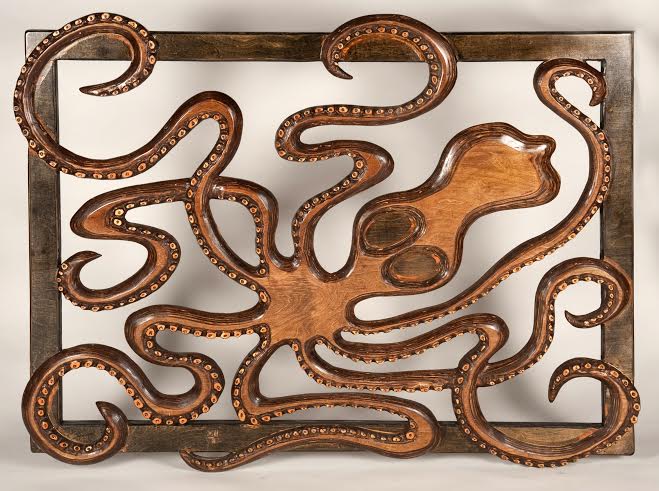
I am drawn to curvy, smooth, rounded, flowing shapes such as octopus legs, dragons, or the neck of a heron, and so find myself carving such shapes.  It happens that most things with these characteristics are from nature.

How has working first-hand with nature changed your relationship with it? 

Trees are precious. I am honored and humbled when I carve into wood that had once been a tree that had been standing for hundreds of years. I feel I need to use every bit of the wood I am carving.  Many of my carvings are from off-cuts from other carvings. 

Do you think that wood carving differs from other forms of art? How so? 

All art is expression. Carving wood with chainsaws is just another way for me to say: “Look what I can do!”

Do you have any advice for beginners in the field? 

Carve or starve! 

 Image

Have you ever done a collaborative piece? If not, would you like to? 

I have done several collaborative pieces.  As a part of Carva-Palooza, one of the several carvings we do is made with a partner. Actually, this year I will be leading a group project (at Carva-Palooza) where eight of us will carve a complete chess set out of logs. I am really excited to see how this turns out.